
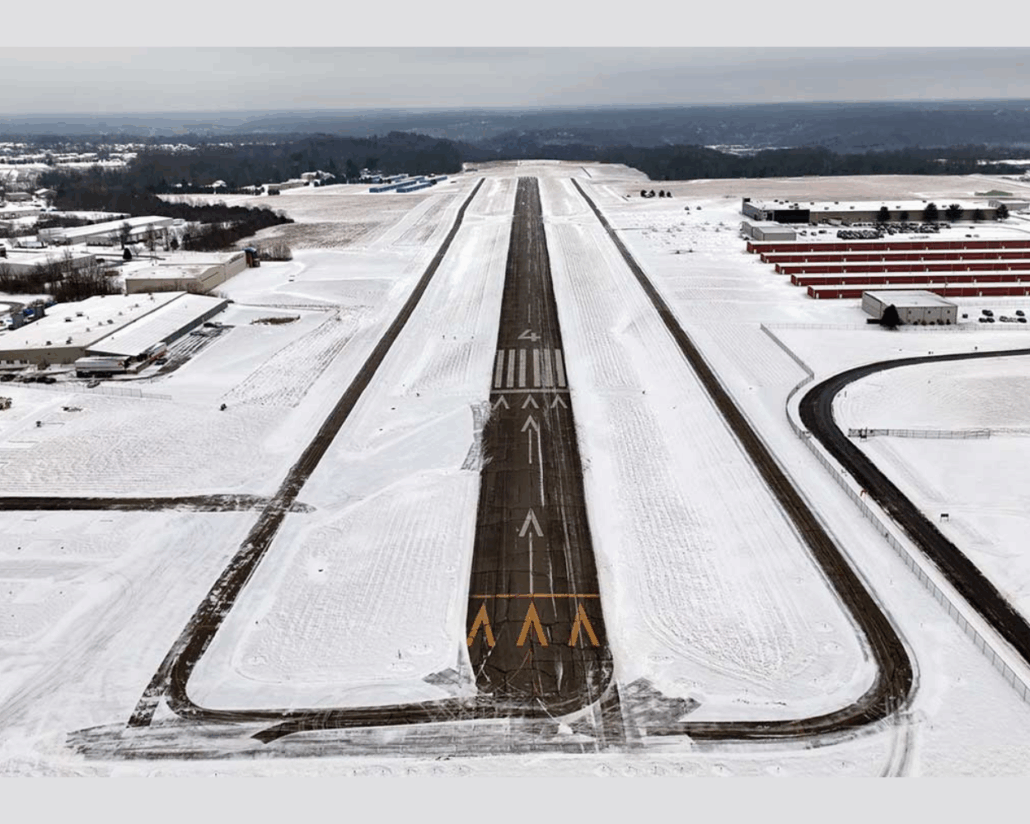
Winter IFR: Practical Strategies for Cold-Weather Flying
|
Getting your Trinity Audio player ready...
|
Winter brings some of the most challenging — and rewarding — IFR flying of the year. Cold, dense air offers excellent aircraft performance and exceptional climb rates, and many days feature crystal-clear ceilings above a thin cloud layer. But the season also introduces hazards that demand a more disciplined approach: icing, contaminated runways, and unpredictable low-level weather.
For instrument pilots and those training to become one, winter is an ideal time to sharpen decision-making skills and build deeper weather insight. Here are key considerations as the cold season arrives.

Carry Real Winter Gear — No Exceptions
It’s easy to feel comfortable in a heated cabin, even when the temperature outside is below freezing. But an IFR diversion, precautionary landing, or mechanical issue can quickly turn into a survival situation if you’re not prepared.
Dress for the weather outside, not the weather inside your cozy airplane. Bring layers, gloves, hats, and the most important tool of all: a fully charged cell phone or satellite communicator. These items aren’t just smart — they’re essential risk-mitigation tools when operating in remote or rural areas during winter.
Expect Frost…Even After a Short Stop
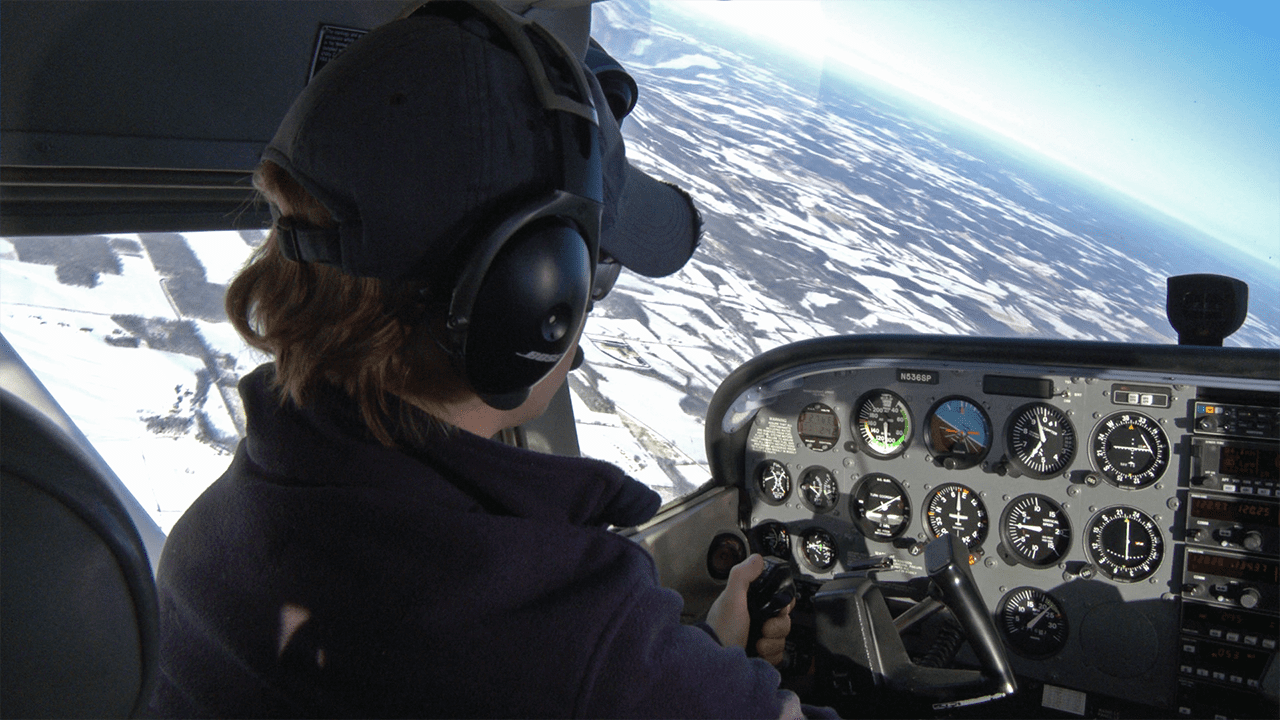
Frost isn’t just a sunrise or overnight problem. On cold, clear mornings, it can easily form on a cold-soaked airplane in the time it takes to grab a cup of coffee at the FBO.
A 30–60 minute ground stop can leave you with a fresh layer of frost on the wings or tail—enough to delay an IFR departure or tempt you into cutting corners. Make frost checks part of every winter postflight and preflight, not just the first flight of the day.

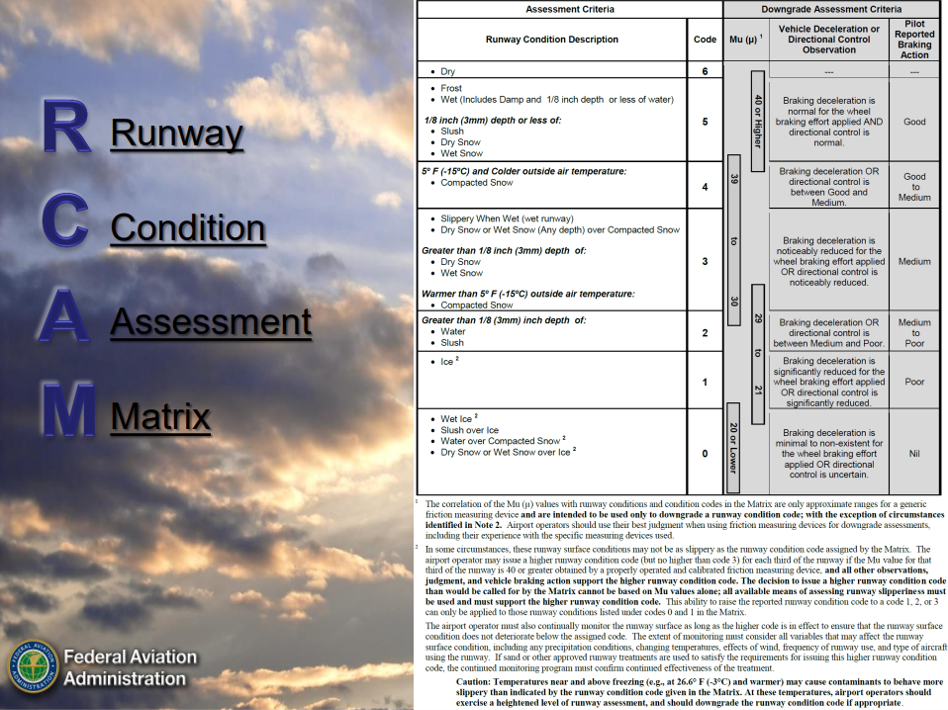
Know the Runway Condition Assessment Matrix (RCAM)
Contaminated surfaces are a fact of life in winter. Slush, compacted snow, or thin ice can all show up in NOTAMs and ATIS reports and directly affect your takeoff and landing performance.
Understanding Condition Codes (0–6) is essential:
-
6: Dry runway
-
5–3: Wet, loose snow, slush
-
2–0: Ice, packed snow, or severe contamination
These numbers influence braking, stopping distance, and crosswind limits. When used properly, RCAM allows pilots to determine whether runway conditions are suitable for both the departure and a potential return—an especially important consideration when launching into IMC.
After a storm passes and the runway is mostly cleared, consider practicing soft-field takeoffs, speed discipline on final, and slow-speed taxi technique with your instructor. These skills translate directly to safer winter IFR operations.
Review Cold-Weather Procedures and Limitations
Cold weather amplifies the importance of the POH. Items that feel academic in July become operationally essential in January:
-
Battery capacity and starter duty-cycle limits
-
Minimum oil temperature for run-up
-
Cold-weather starting guidance
-
Emergency procedures related to engine fires during start
Make it a habit each fall to review the cold-weather sections for every airplane you fly. This is one of the simplest ways to avoid costly mechanical issues or morning delays.
Respect Engine and Avionics Limitations
Sudden power changes on a cold engine can cause more wear than many pilots realize. Below about 20°F, be gentle: avoid repeated touch-and-goes, aggressive throttle movements, or rapid-cycling training maneuvers until temperatures stabilize.
Also be aware that cold-soaked avionics — especially older AHRS or magnetometer-based systems — may take longer to initialize or calibrate. Plan your IFR clearance and run-up timing accordingly so you’re not rushed during one of the highest-workload phases of flight.
Call Ahead for Airport Services
Don’t assume an FBO has preheat capability, deicing fluid, or hangar space just because the airport is large or towered. Winter often stretches staffing and resources thin.
A quick phone call before your IFR cross-country can prevent a lengthy hold on the ground or an unplanned diversion due to unavailable services. This habit pays dividends all winter long.
PIREPs Are Valuable—Especially in Winter
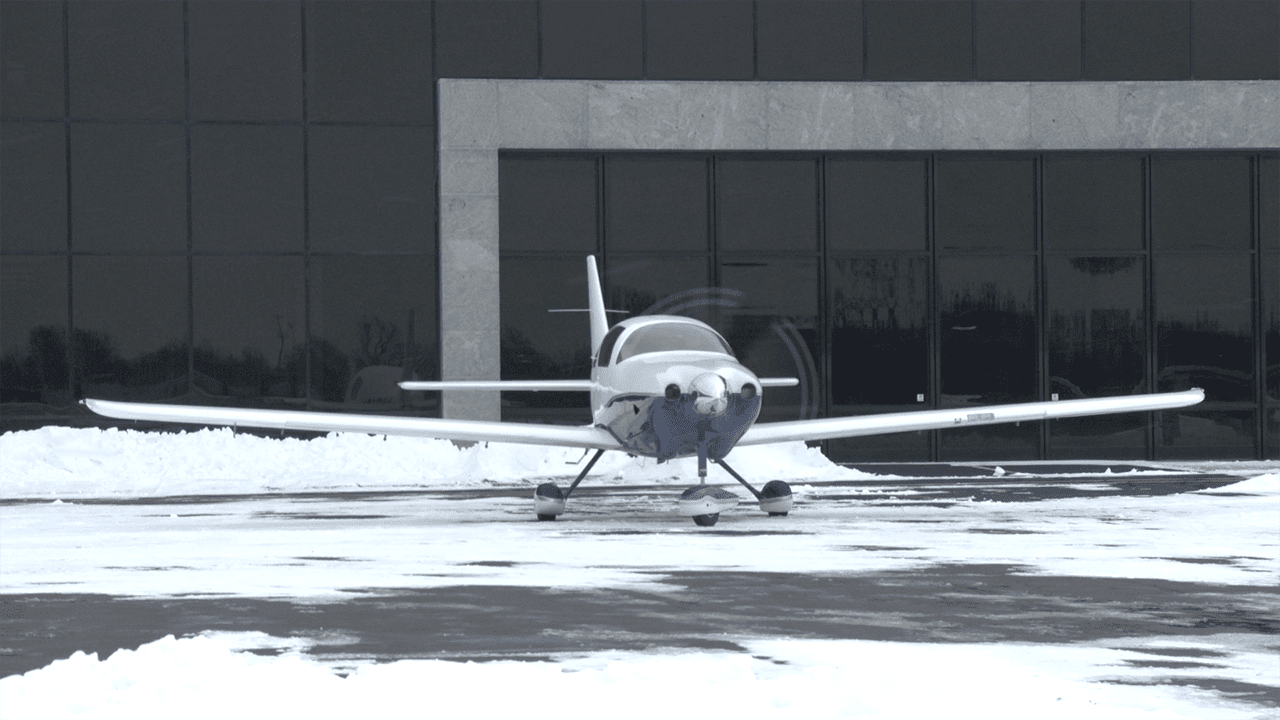
No forecast product matches the reliability of pilot reports during winter operations. PIREPs provide:
-
Actual cloud bases and tops
-
Temperature inversions
-
Turbulence layers
-
Most importantly: icing conditions
As an IFR pilot, you should be both a consumer and a producer of PIREPs. Don’t wait for negative experiences—“light rime,” “tops 7,500,” or “no icing in descent” are incredibly useful to pilots planning altitudes or approaches behind you. The system only works when pilots contribute.
The Winter Weather Mindset
Winter IFR flying is a phenomenal opportunity for growth—perhaps more than any other season. The challenges are real, but so are the rewards: improved weather knowledge, refined procedural discipline, and the confidence that comes from managing complex conditions safely.
Approach winter with respect, preparation, and curiosity, and you’ll emerge a stronger, more capable instrument pilot on the other side of the season.

- The Go/No-Go Decision Isn’t Binary - March 3, 2026
- Webinar Video: Instrument Approach Decision-Making—IFR Mastery - February 28, 2026
- Approach Lighting Systems: Scenarios for Instrument Pilots - February 27, 2026

Good reminder…
I find the article and insight always beneficial.
The timeliness is always appreciated!