
 https://media.ifrfocus.com/wp-content/uploads/2026/03/27113005/Video-Tip-Required-IFR-Reports.png
1000
1250
Eric Radtke
https://media.ifrfocus.com/wp-content/uploads/2025/07/14115136/IFR-Focus-Logo_White_Blue_Web-01.png
Eric Radtke2026-08-28 08:55:132026-08-28 09:02:51Ask the IFR Expert: How Often Should I Hand Fly?
 https://media.ifrfocus.com/wp-content/uploads/2026/04/21091340/missed-approach-from-circle.png
1000
1250
IFR Focus Team
https://media.ifrfocus.com/wp-content/uploads/2025/07/14115136/IFR-Focus-Logo_White_Blue_Web-01.png
IFR Focus Team2026-08-25 08:55:472026-08-24 09:18:51Quiz: Automation
 https://media.ifrfocus.com/wp-content/uploads/2026/08/04112916/New-IFR-Mastery-Scenario-Which-Approach-Would-You-Request.png
1000
1250
Eric Radtke
https://media.ifrfocus.com/wp-content/uploads/2025/07/14115136/IFR-Focus-Logo_White_Blue_Web-01.png
Eric Radtke2026-08-21 08:55:552026-08-04 11:29:59New IFR Mastery Scenario: Which Approach Would You Request?
 https://media.ifrfocus.com/wp-content/uploads/2026/02/09140443/decision-time.png
1000
1250
Jeff Van West
https://media.ifrfocus.com/wp-content/uploads/2025/07/14115136/IFR-Focus-Logo_White_Blue_Web-01.png
Jeff Van West2026-08-18 08:55:372026-08-13 12:08:49Practical IFR: The Extra Step-down
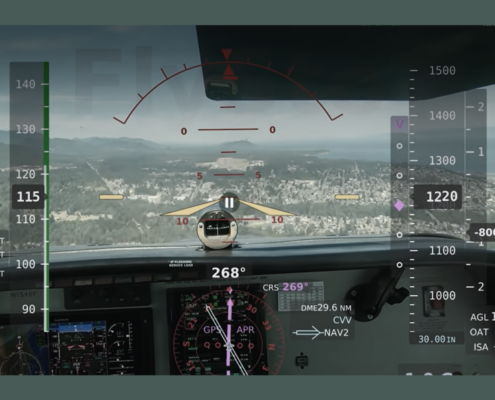 https://media.ifrfocus.com/wp-content/uploads/2026/07/29105227/Video-Tip-Flying-to-an-MDA-with-the-Autopilot.png
1000
1250
Bruce Williams
https://media.ifrfocus.com/wp-content/uploads/2025/07/14115136/IFR-Focus-Logo_White_Blue_Web-01.png
Bruce Williams2026-08-11 08:55:232026-08-11 09:23:07Video Tip: Flying to an MDA with the Autopilot
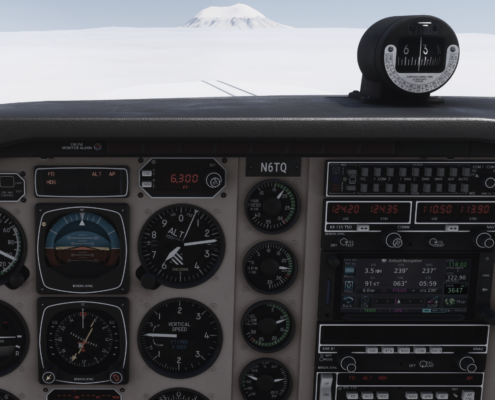 https://media.ifrfocus.com/wp-content/uploads/2026/08/07144412/Whats-Wrong-Bonanza-at-Toledo-noir.png
1500
1875
Jeff Van West
https://media.ifrfocus.com/wp-content/uploads/2025/07/14115136/IFR-Focus-Logo_White_Blue_Web-01.png
Jeff Van West2026-08-07 15:42:342026-08-10 09:33:40What’s Wrong? Flying the RNAV 24 at Toledo in a Bonanza
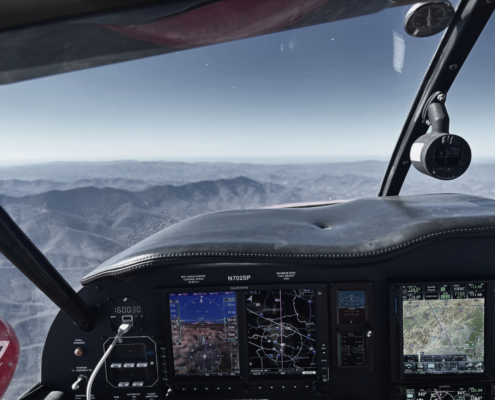 https://media.ifrfocus.com/wp-content/uploads/2026/07/29104037/When-Automation-Surprises-You.png
1000
1250
Eric Radtke
https://media.ifrfocus.com/wp-content/uploads/2025/07/14115136/IFR-Focus-Logo_White_Blue_Web-01.png
Eric Radtke2026-08-04 08:55:052026-08-04 09:01:00When Automation Surprises You
