
 https://media.ifrfocus.com/wp-content/uploads/2026/07/29104037/When-Automation-Surprises-You.png
1000
1250
IFR Focus Team
https://media.ifrfocus.com/wp-content/uploads/2025/07/14115136/IFR-Focus-Logo_White_Blue_Web-01.png
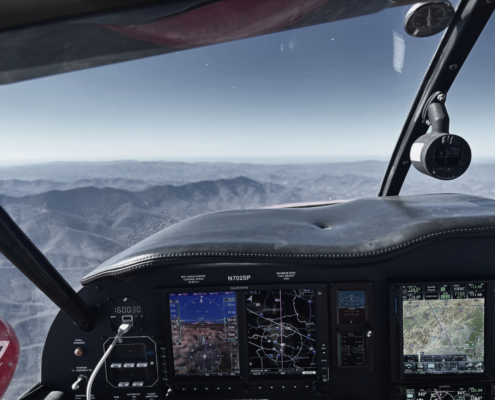
IFR Focus Team2026-11-20 07:45:182026-11-20 10:21:14Quiz: Flight Planning
 https://media.ifrfocus.com/wp-content/uploads/2026/11/13184544/dont-just-read-the-notes.png
1000
1250
Jeff Van West
https://media.ifrfocus.com/wp-content/uploads/2025/07/14115136/IFR-Focus-Logo_White_Blue_Web-01.png
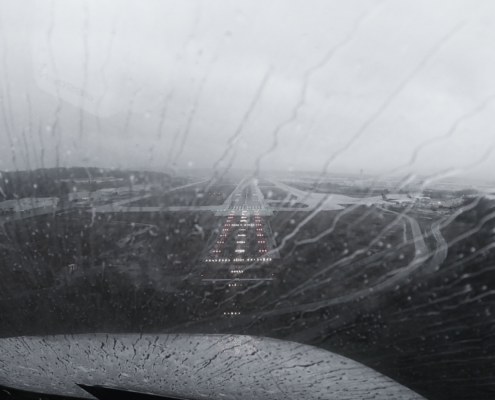
Jeff Van West2026-11-17 07:45:582026-11-16 10:50:34The Importance of Lights
 https://media.ifrfocus.com/wp-content/uploads/2026/11/12143142/notam-video-tip.png
1000
1250
IFR Focus Team
https://media.ifrfocus.com/wp-content/uploads/2025/07/14115136/IFR-Focus-Logo_White_Blue_Web-01.png
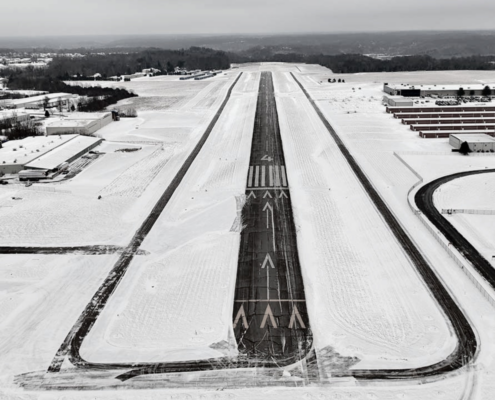
IFR Focus Team2026-11-13 07:45:472026-11-12 14:31:51Video Tip: Understanding NOTAMs
 https://media.ifrfocus.com/wp-content/uploads/2025/11/28130137/departure-alternates-1.png
1000
1250
Lee Smith
https://media.ifrfocus.com/wp-content/uploads/2025/07/14115136/IFR-Focus-Logo_White_Blue_Web-01.png
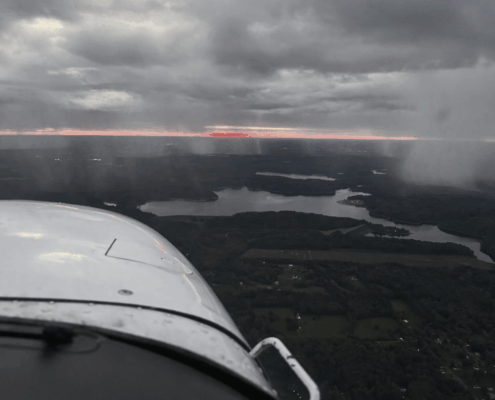
Lee Smith2026-11-10 07:45:452026-10-20 21:07:30Departures Get a New Look
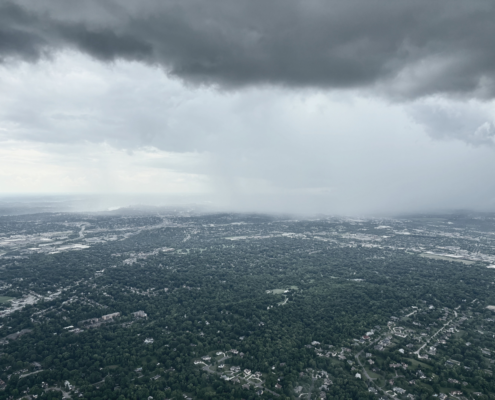 https://media.ifrfocus.com/wp-content/uploads/2026/05/04103624/A-New-Take-on-Alternates.png
1000
1250
Pilot Workshops
https://media.ifrfocus.com/wp-content/uploads/2025/07/14115136/IFR-Focus-Logo_White_Blue_Web-01.png
Pilot Workshops2026-11-06 07:45:452026-11-06 09:38:13New IFR Mastery Scenario: Turkey Day Turbulence
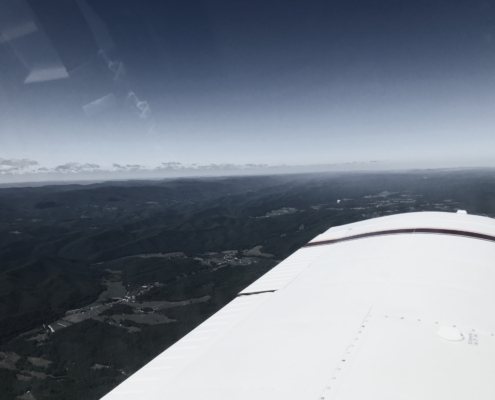 https://media.ifrfocus.com/wp-content/uploads/2026/11/02102457/A-Flight-Planning-Formula.png
1000
1250
Elaine Kauh
https://media.ifrfocus.com/wp-content/uploads/2025/07/14115136/IFR-Focus-Logo_White_Blue_Web-01.png
Elaine Kauh2026-11-03 07:45:542026-11-02 10:26:10A Flight Planning Formula
