

A New Year, a Sharper Focus: Practical Strategies for Maintaining Instrument Proficiency
|
Getting your Trinity Audio player ready...
|
January is a natural reset point for pilots. Logbooks flip to a new page and many of us quietly resolve to be better in the cockpit this year. For instrument pilots, that resolution often comes down to one word: proficiency.
An instrument rating is not a static achievement—it’s a perishable skill set. Currency requirements may keep you legal, but they don’t always keep you comfortable or capable when the workload spikes, the weather deteriorates, or the avionics don’t behave as expected. The goal, then, isn’t just to stay current, but to remain truly proficient.
Below are practical, repeatable strategies to help make instrument proficiency part of your flying routine in the new year—not a last-minute scramble before the next IPC.
Quick Question on Proficiency
Plan Every Flight as If It Were IFR
Even when the forecast is severe clear, disciplined IFR-style planning pays dividends. Planning as if you’ll fly in the system keeps weather interpretation skills sharp and reinforces good aeronautical decision-making habits.
Go beyond the regulatory minimums. Study large-scale weather patterns first, then funnel down to route-specific and terminal forecasts. Prognostic charts, graphical icing and turbulence forecasts, winds aloft, and cloud/visibility prediction tools all help build a three-dimensional mental picture of the atmosphere.
Today’s self-briefing tools make this easier than ever—but they also place more responsibility on the pilot. Develop a consistent briefing flow so key information isn’t missed, and don’t hesitate to supplement automated data with expert input when conditions warrant a deeper dive.
Treat each preflight as practice. Even flights you never intend to launch sharpen your planning muscle.
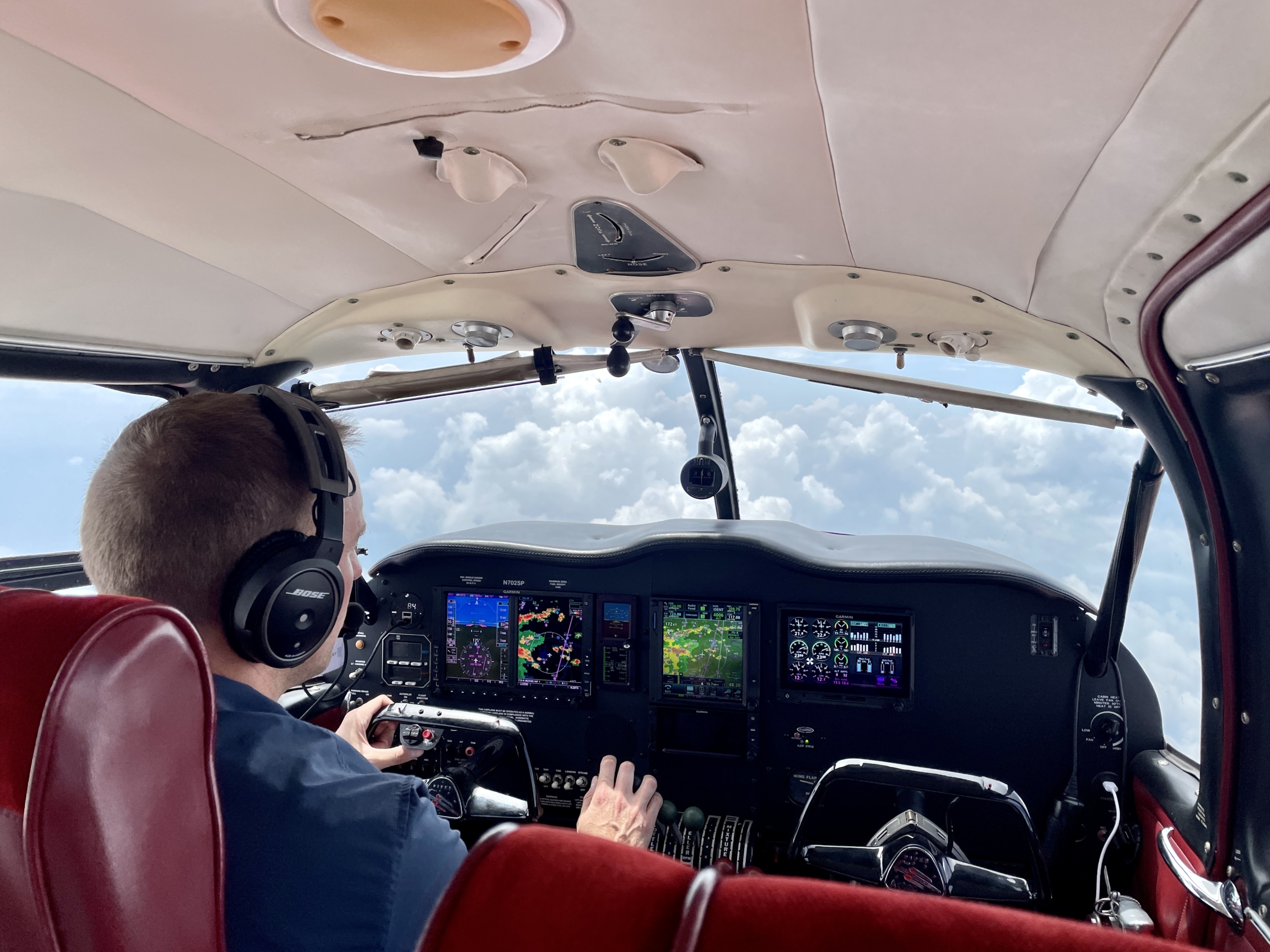
Fly IFR in VMC—On Purpose
One of the most effective (and underused) proficiency tools is flying IFR in good weather. Operating in the system builds confidence with clearances, altitudes, routing changes, and cockpit workload—without the added pressure of actual IMC.
IFR flights in VMC also make it easy to end every trip with an instrument approach. Vary the airports and procedures you fly. Rotate through different types of approaches so nothing feels unfamiliar when the ceiling is actually low.
As your comfort level grows, consider incorporating departure procedures. Obstacle Departure Procedures, in particular, are often overlooked but can be critical at unfamiliar airports or in marginal conditions.
Tame the Avionics—Don’t Let Them Tame You
Modern avionics are powerful, but only if they’re well understood. True proficiency means knowing what your equipment will do before you need it—and recognizing when it’s time to dial things back and hand-fly.
Make a habit of revisiting avionics manuals, software updates, and simulator tools. Consider setting personal guidelines for manual flying, such as hand-flying in daylight within a certain distance of the airport or under defined ceiling and visibility limits. These self-imposed standards help prevent erosion of fundamental skills.
Automation is a resource—not a crutch.

Use Checklists, Then Build Flows
Checklists are foundational, but experienced instrument pilots often add a second layer: flows. Flows create an organized, repeatable pattern for configuring the cockpit, followed by checklist verification to catch anything missed.
For IFR flying, consider specialized checklists such as:
- In-range or arrival checklists to review approaches and avionics setup
- EFB configuration checks to ensure charts, plates, and frequencies are ready
Anticipation reduces workload. When the airplane is configured early, your brain has more bandwidth when it matters most.

Play the “What-If” Game—Often
Proficiency isn’t built only in the air. Scenario-based thinking on the ground is one of the most effective ways to stay sharp.
What if the ceiling drops below forecast? What if the autopilot fails? What if ATC amends the clearance at the worst possible moment?
These mental exercises reinforce systems knowledge, improve decision-making speed, and make real-world surprises feel more familiar.
Commit to Personal Minimums—and Revisit Them
Finally, proficiency and discipline go hand in hand. Establish personal minimums that reflect your current skill level, not your past experience or future aspirations.
Revisit those minimums periodically. A little discomfort is healthy—it signals growth—but ignoring it entirely is a warning sign. Honest self-assessment is one of the most valuable tools an instrument pilot can carry.
Make Proficiency the Resolution That Sticks
Instrument proficiency isn’t about flying more—it’s about flying with intention. By building consistent habits, using technology wisely, and challenging yourself thoughtfully, you can make this year’s resolution more than words.

- IFR Holding Procedures Explained: A Pilot’s Guide to Holding Patterns - September 28, 2026
- New IFR Mastery Scenario:The End Is Niagara? - September 4, 2026
- Ask the IFR Expert: How Often Should I Hand Fly? - August 28, 2026

Winter is a good time to find a simulator. Do some chair flying.
The article brings the steps we should adhere too.