
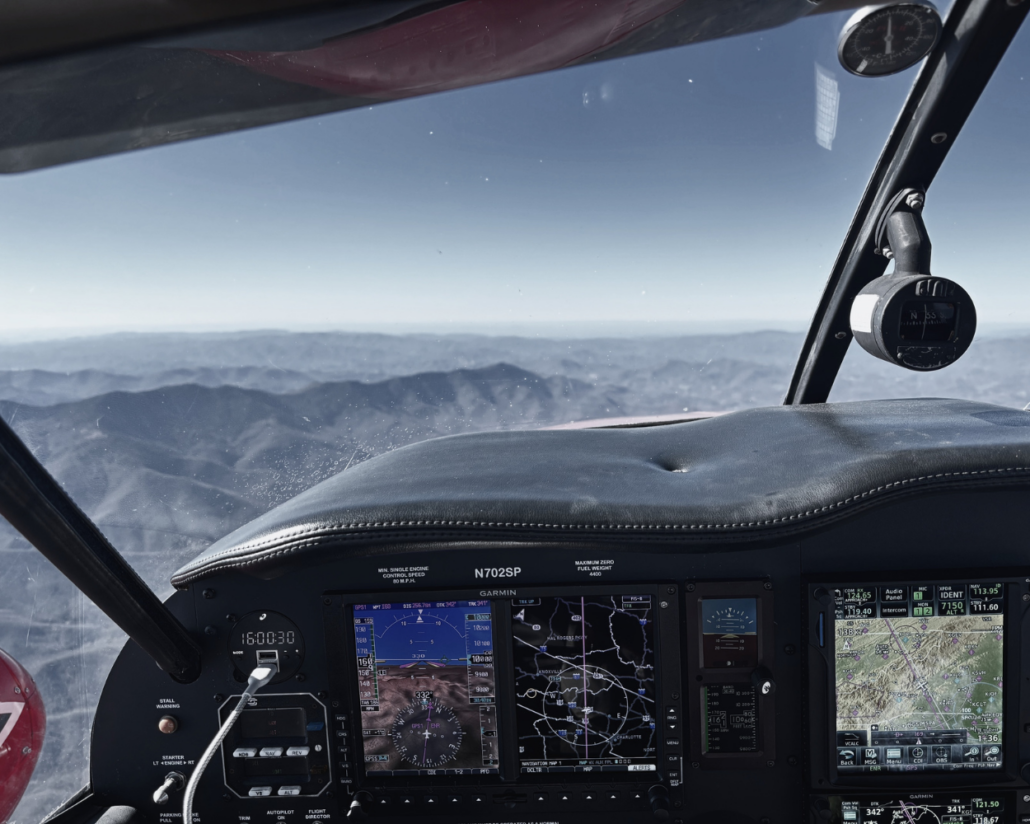
When Automation Surprises You
Automation doesn’t have to fail to surprise you.
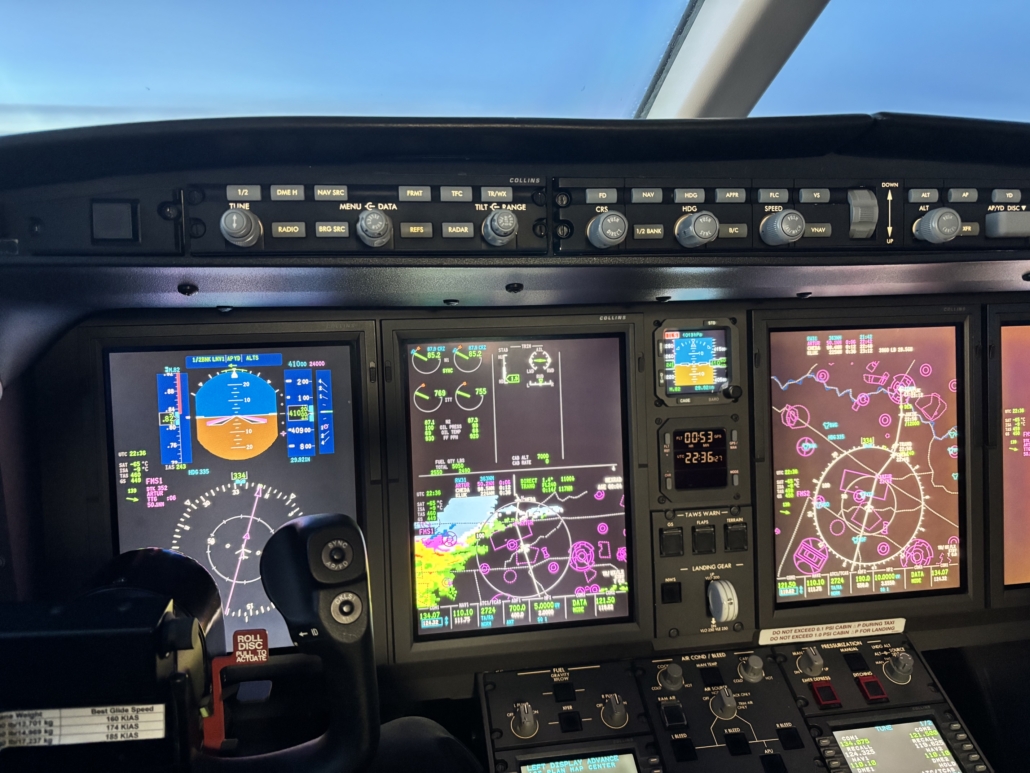
The arrival into Fort Lauderdale (FLL) looked routine. Our FMS had the TEEKY arrival activated, the ILS approach to runway 10L was loaded, and ATC cleared us for the approach from the final arrival waypoint which coincided with the initial approach fix. Everything appeared as we’d expected. And then something unexpected happened.
The vertical profile didn’t look right. We were higher than we should have been after crossing the initial approach fix, and although nothing seemed dramatically wrong, the picture didn’t make sense. The issue was quickly identified: the FMS hadn’t sequenced from the arrival onto the approach as expected and therefore, did not capture the glideslope. Instead of navigating the approach, it was still flying the arrival.
Fortunately, we recognized the discrepancy early. We disconnected from the automation, and continued the approach without incident. The flight ended uneventfully, but it reinforced an important lesson. The automation hadn’t failed. It simply wasn’t doing what we expected. And that wasn’t the last time I was reminded of that lesson.
On another flight, shortly after takeoff, ATC issued a vector toward the first fix on our departure. Almost immediately, the navigation display told us something wasn’t right. The aircraft’s indicated position didn’t agree with where we knew we should be. The culprit was an incorrect position initialization in the FMS before departure.
Fortunately, we’d thoroughly briefed the departure procedure before takeoff. We already had a clear mental picture of where the airplane should turn, what fixes we expected next, and how the departure should unfold. Because of that preparation, the discrepancy stood out immediately. Rather than forcing the automation to catch up, we remained on vectors while correcting the position information before continuing the flight.
Reader Poll:
Five Automation Cross-Checks
Before every major phase of flight, ask yourself:
- Is the airplane where I expect it to be?
- Is it going where I expect it to go?
- Is the correct lateral mode active?
- Is the correct vertical mode active?
- What should happen next?
Modern avionics are excellent at following instructions. Your job is to make sure they’re following the right instructions.
Automation Doesn’t Have to Fail to Surprise You
Modern avionics are remarkably reliable. GPS navigators, flight management systems, and autopilots have transformed instrument flying, reducing workload and making complex operations more manageable than ever before. But most automation-related problems don’t begin with a hardware failure or software malfunction. They begin with an assumption.
Perhaps the airplane is following the wrong waypoint, the approach never activates, or maybe the autopilot captures a mode you weren’t expecting. In many cases, the automation is doing exactly what it was told to do. The problem is that it isn’t doing what the pilot expected it to do.
That’s why one of the most important habits in modern IFR flying is continuously asking a simple question: is the airplane doing what I expect it to be doing?
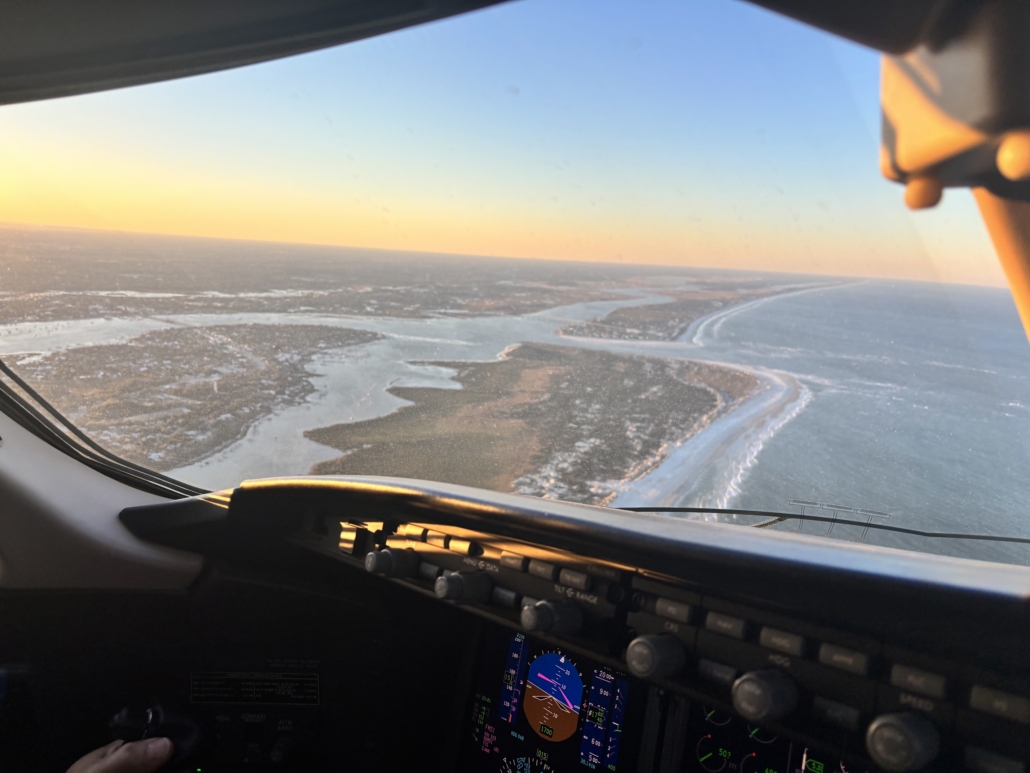
Monitor the Automation
One of the biggest misconceptions about cockpit automation is that it reduces the need for pilot involvement. In reality, instead of devoting as much attention to physically flying the airplane, the pilot becomes a systems manager—programming, monitoring, verifying, and anticipating what the automation should do next. That requires a different kind of situational awareness.
Before every mode change, turn, altitude capture, or approach transition, you should already have a mental picture of what the airplane is about to do. When the airplane behaves differently than expected, the discrepancy becomes obvious. If you’re waiting for the automation to tell you something is wrong, you’ve already surrendered one of your greatest advantages as a pilot.
Healthy Skepticism is a Good Thing
Trusting your avionics isn’t bad, but blind trust is. Healthy skepticism means continually cross-checking what you see on the flight display with your chart, your clearance, and your own expectations. It means verifying that the correct mode is armed. It means confirming that the proper waypoint is active. And It means understanding not only what the automation is doing, but what it should do next.
And when something doesn’t look right, it means being willing to stop, disconnect, and sort it out. There’s no prize for salvaging a confusing automation situation. Sometimes the fastest path back to situational awareness is to simplify the problem—fly the airplane, ask ATC for a vector if needed, and rebuild the automation when your workload allows.
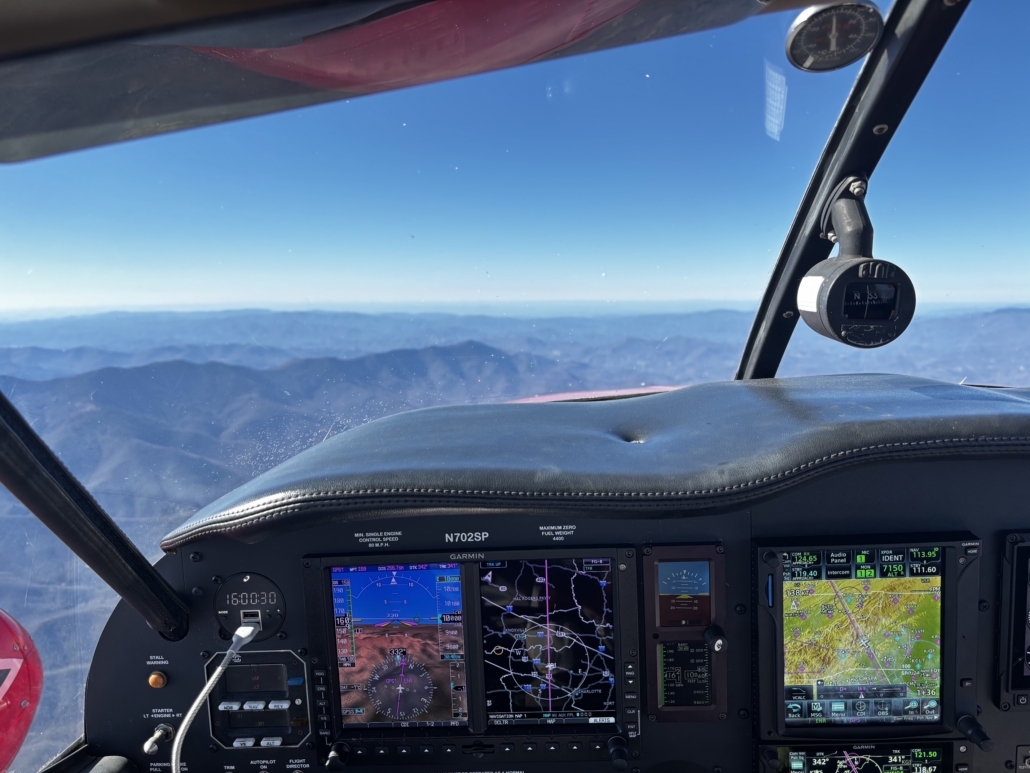
Healthy skepticism is a good thing.
The Real Value of Automation
Modern avionics have made IFR flying safer, more capable, and more efficient than ever before. I wouldn’t want to fly without them. But they haven’t changed one fundamental truth: the pilot is still responsible for understanding where the airplane is going and why.
Automation is an outstanding workload-management tool—but only when you’re actively managing it. The most competent instrument pilots don’t constantly ask, “What is the airplane doing?” They ask a much more important question: Is the airplane doing what I expected it to do?
- New IFR Mastery Scenario:The End Is Niagara? - September 4, 2026
- Ask the IFR Expert: How Often Should I Hand Fly? - August 28, 2026
- New IFR Mastery Scenario: Which Approach Would You Request? - August 21, 2026

Leave a Reply
Want to join the discussion?Feel free to contribute!