
Half Sized Blog Element (Single Author Style)
Half Sized Blog Element (Multi Author Style)
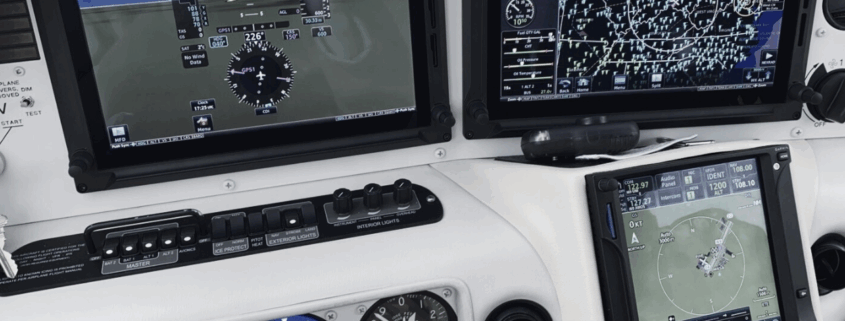
Ask an IFR Expert: LPV vs. ILS—Which Should You Fly in Low Weather?
I see more and more approaches labeled LPV in the GPS database, but I’ve heard pilots talk about them as ‘GPS ILS equivalents.’ What exactly is an LPV approach, how is it different from an ILS, and why should I care as an instrument pilot?
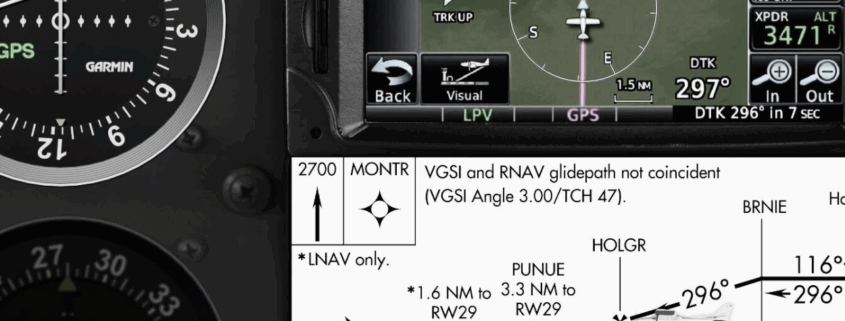
Video Tip: How to Fly an LPV Approach with a Garmin GTN 650
For many IFR pilots today, flying a GPS approach is second nature. Among the most capable options is the LPV approach, which offers ILS-like lateral and vertical guidance—but with far wider availability. Thanks to WAAS-enabled GPS, pilots can fly precision-style approaches at thousands of airports that don’t have an ILS installed.
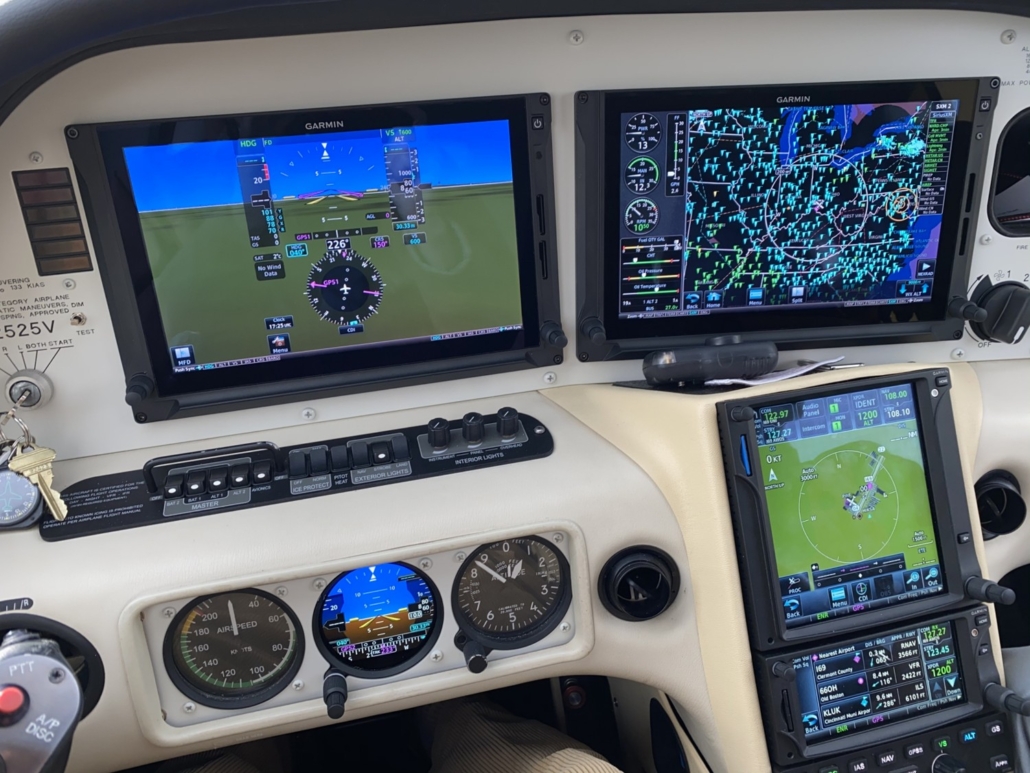


Ask an IFR Expert: LPV vs. ILS—Which Should You Fly in Low Weather?
/by Eric RadtkeI see more and more approaches labeled LPV in the GPS database, but I’ve heard pilots talk about them as ‘GPS ILS equivalents.’ What exactly is an LPV approach, how is it different from an ILS, and why should I care as an instrument pilot?
Video Tip: How to Fly an LPV Approach with a Garmin GTN 650
/by IFR Focus TeamFor many IFR pilots today, flying a GPS approach is second nature. Among the most capable options is the LPV approach, which offers ILS-like lateral and vertical guidance—but with far wider availability. Thanks to WAAS-enabled GPS, pilots can fly precision-style approaches at thousands of airports that don’t have an ILS installed.