
Half Sized Blog Element (Single Author Style)
Half Sized Blog Element (Multi Author Style)
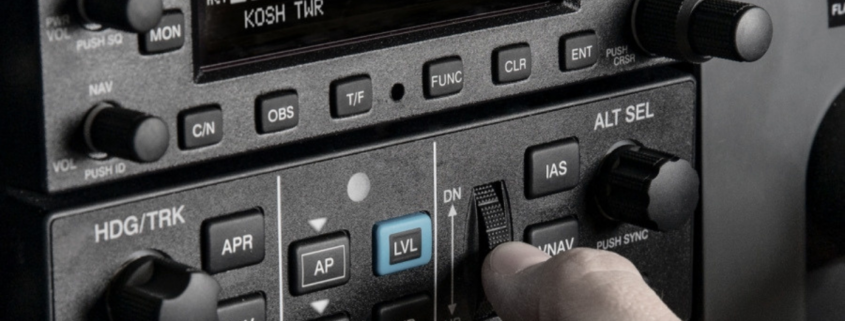
Webinar Video: Beyond the Buttons — Mastering Your Modern Autopilot
Join PilotWorkshops’ Ryan Koch for Beyond the Buttons: Mastering Your Modern Autopilot, a webinar exploring the habits pilots need to get more from today’s autopilots, stay ahead of changing modes, and recognize when the system isn’t doing what they intended.
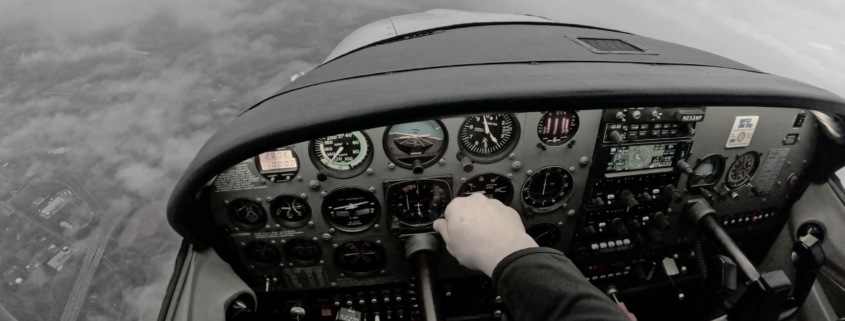
Practical IFR: Activate in the Air
Getting an IFR clearance from a busy ATC facility can be a challenge when your departure runway points toward a major airport. Jeff Van West explores two alternatives for pilots departing Linden Airport under New York’s Class B airspace—and explains why one may work even when the weather rules out a typical VFR departure.




Webinar Video: Beyond the Buttons — Mastering Your Modern Autopilot
/by IFR Focus TeamJoin PilotWorkshops’ Ryan Koch for Beyond the Buttons: Mastering Your Modern Autopilot, a webinar exploring the habits pilots need to get more from today’s autopilots, stay ahead of changing modes, and recognize when the system isn’t doing what they intended.
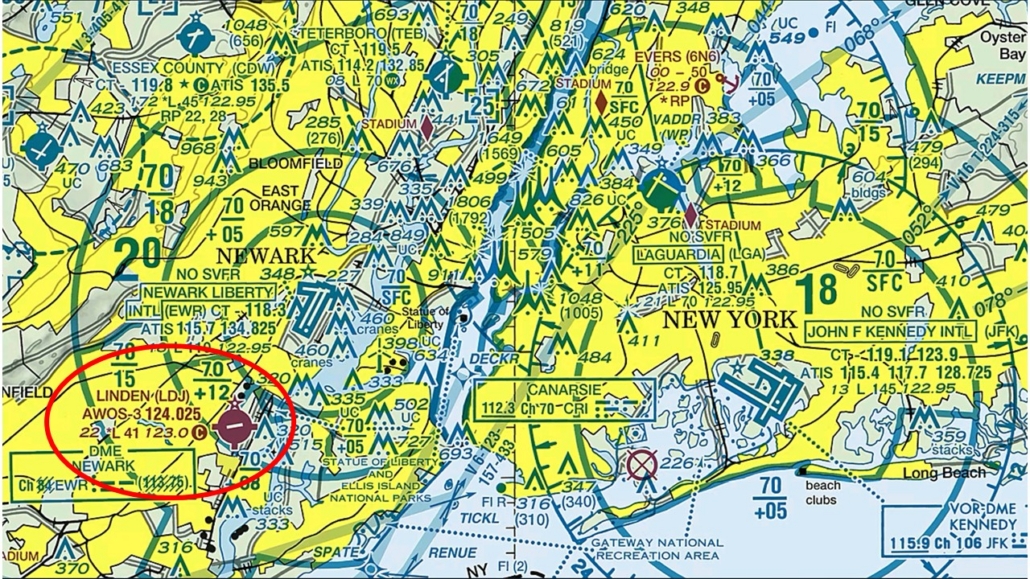
Practical IFR: Activate in the Air
/by Jeff Van WestGetting an IFR clearance from a busy ATC facility can be a challenge when your departure runway points toward a major airport. Jeff Van West explores two alternatives for pilots departing Linden Airport under New York’s Class B airspace—and explains why one may work even when the weather rules out a typical VFR departure.