
The Missed Approach Was the Easy Part
The weather wasn’t a surprise. At least, not initially.
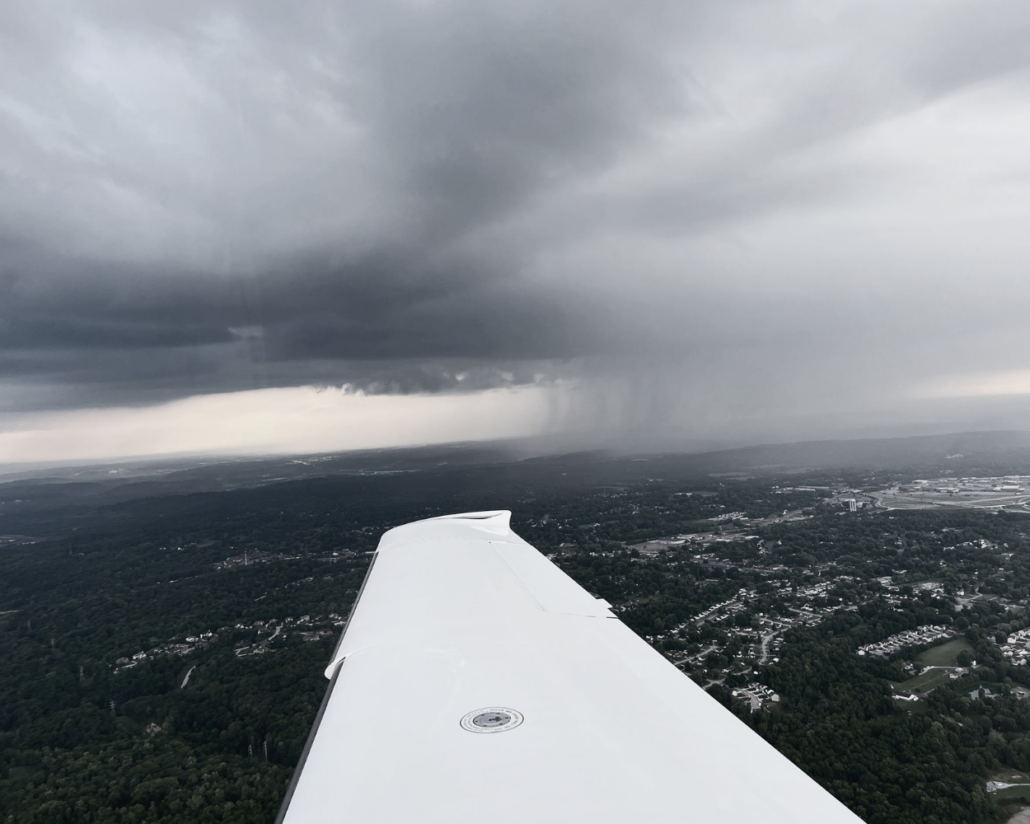
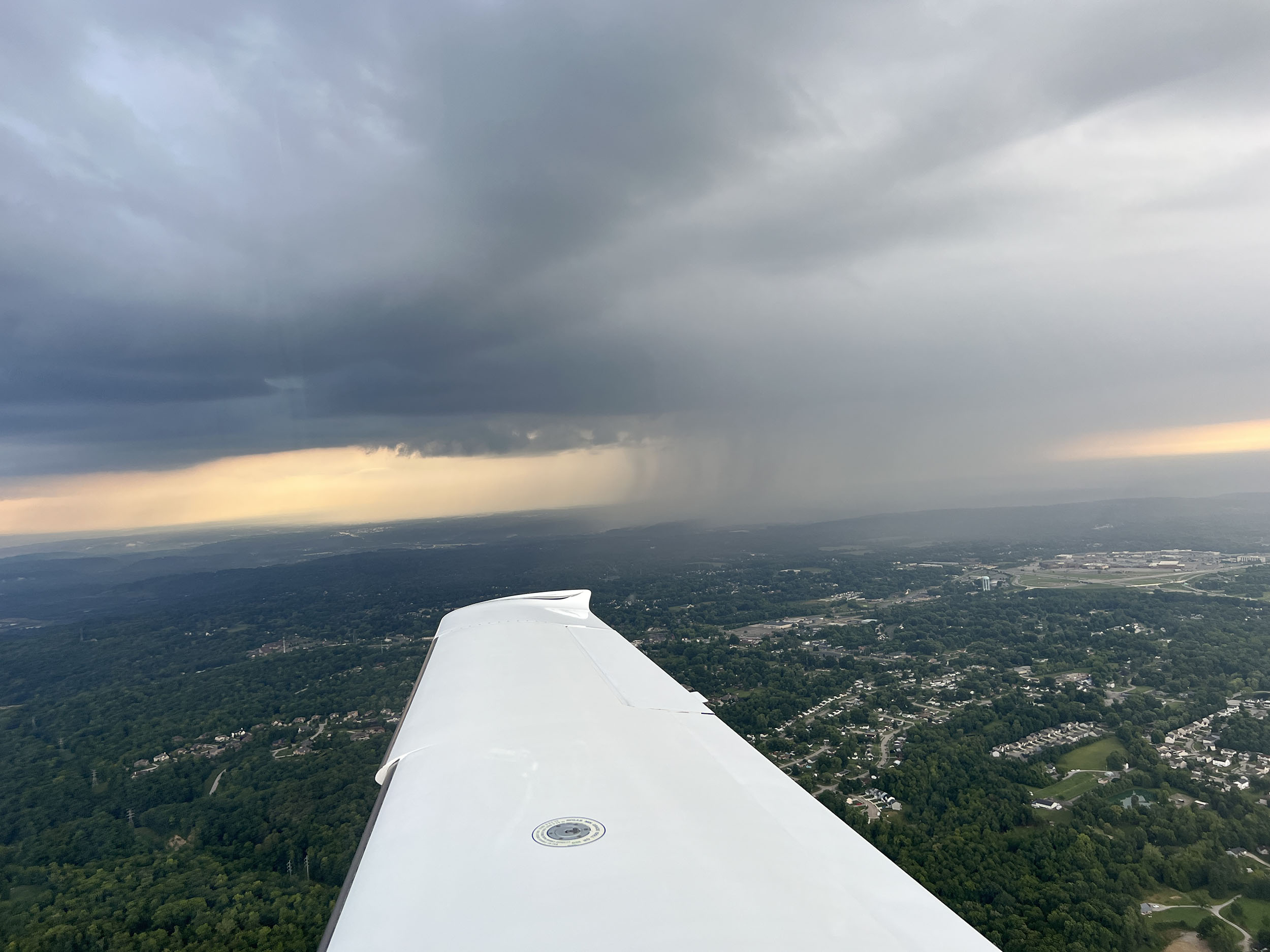 Flying home to the Cincinnati area from South Florida on the Friday before Memorial Day weekend, we knew the forecast called for rain and low ceilings. A slow-moving weather system had settled over the Ohio Valley, feeding on Gulf moisture and producing days of steady rain, low clouds, and widespread flooding concerns. Still, nothing about the forecast suggested we wouldn’t make it into our destination. The ceilings were expected to be low, but manageable, and we had planned accordingly.
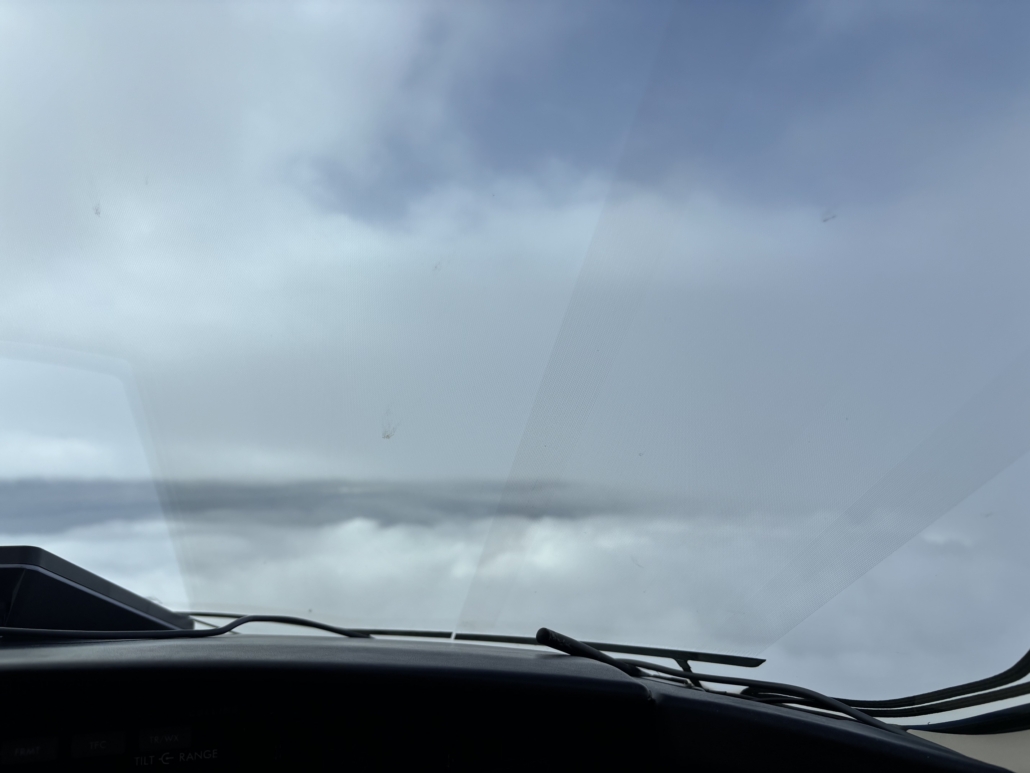
As we neared Cincinnati, however, it became apparent that conditions were deteriorating faster than expected. The low ceilings and reduced visibility were combining with another factor that complicated the arrival: the wind favored the north runway at our home airport, which offered only an LNAV approach with minimums roughly 760 feet above the ground. We briefed the approach, flew it as planned, and continued toward minimums. No runway.
Time to execute the missed approach. Ironically, the missed approach itself was probably the easiest part of the entire event.
Years of training make the mechanics of a missed approach fairly straightforward. Apply power. Establish the proper pitch attitude. Clean up the airplane. Follow the published procedure. Communicate with ATC. In our case, we had anticipated the possibility of a missed approach and requested alternate missed approach instructions before beginning the approach. Instead of flying the published climbing turn to a fix, ATC cleared us to climb straight ahead to 3,000 feet. That seemingly small change paid big dividends when the runway failed to appear, reducing our workload at a time when we needed to focus on the bigger decisions that were about to follow.
The real challenge began once the airplane was climbing away from the airport. Almost immediately, we found ourselves facing multiple viable options, each with advantages and drawbacks. One possibility was requesting the ILS to the opposite runway. With the lower minimums, there was a strong likelihood we could complete the approach successfully. The tradeoff was accepting a tailwind landing on a wet runway. While legal and likely within aircraft limitations, it didn’t align with our risk assessment.
Another option was proceeding to our filed alternate more than 40 miles to the south, where weather conditions were significantly better. The downside was obvious: it would create substantial inconvenience for our passengers and leave us well outside the Cincinnati area.
A third option was finding another airport closer to our destination that offered better approach options and more favorable conditions.
None of these choices were inherently wrong. In fact, that’s what made the situation challenging. Flight training often presents scenarios with a clear answer. Real-world IFR flying frequently presents several acceptable answers. The challenge isn’t identifying a legal option; it’s determining which option best balances safety, efficiency, workload, and risk. Meanwhile, the clock is running, fuel is being consumed and ATC is expecting decisions. The airplane still needs to be flown. And unlike a simulator scenario, there is no pause button.
We ultimately chose to divert to Cincinnati/Northern Kentucky International Airport (CVG). The airport offered precision approaches to every runway, weather conditions that supported a much more predictable outcome, and a location close enough to minimize disruption for our passengers. Even after making that decision, however, the workload continued.
The Four Questions We Asked After the Missed
- Can we safely try another approach?
- Is our filed alternate still the best option?
- Is there a better airport nearby?
- Which choice gives us the most predictable outcome?
The goal wasn’t convenience—it was finding the option that reduced uncertainty, lowered workload, and provided the greatest safety margin.
Our flight management system had been programmed for an arrival and approach into our original destination. Now we needed to load and verify a new route, brief a different approach, review runway conditions, coordinate with ATC, and prepare for an airport that had not been part of our original arrival plan.
That experience reinforced an important lesson: when weather systems become dynamic, there may be perfectly acceptable alternatives that weren’t part of your original planning process. Pilots sometimes become anchored to the options they identified before departure. But circumstances change. New information becomes available. A nearby airport that wasn’t initially considered may ultimately become the safest and most practical solution.
After landing at CVG, another decision remained. Do we wait? The weather forecasts suggested conditions might improve later in the day. We could remain with the airplane and see if ceilings lifted enough to reposition to our home airport. Or we could recognize that the weather pattern remained unstable, the winds still favored the less desirable runway, and the following day offered significantly better conditions. Again, multiple acceptable choices and again, no perfect answer.
We elected to wait until the next day.
As it turned out, some aircraft did successfully complete the ILS approach into our original destination that afternoon. That’s an important point. Our decision wasn’t based on the belief that landing there was impossible. It was based on our assessment that a tailwind landing on a wet runway, combined with the prevailing weather conditions, didn’t provide a level of risk we were willing to accept.
Good aeronautical decision-making isn’t about proving what can be done. It’s about determining what should be done.
Looking back, the weather wasn’t particularly severe. The missed approach wasn’t especially difficult. The airplane performed exactly as expected. The challenge was managing several reasonable choices while simultaneously dealing with changing weather, limited time, finite fuel, and increasing workload. That’s why staying ahead of the airplane isn’t simply about approach briefings, checklist discipline, or avionics proficiency. Sometimes it’s about recognizing when the original plan has expired and building a new one before the workload builds faster than your capacity to manage it.
The missed approach was the easy part. What happened during the next five minutes is what really mattered.

- New IFR Mastery Scenario:The End Is Niagara? - September 4, 2026
- Ask the IFR Expert: How Often Should I Hand Fly? - August 28, 2026
- New IFR Mastery Scenario: Which Approach Would You Request? - August 21, 2026

Real time assessment of what you have.
Minimize decision distraction, brief the revised alternate before descent…”if plan A (home plate) doesn’t work we will proceed to plan B (viable alternate)”…if plan B not feasible ask for delay vectors or hold until plan C is fleshed out…especially important if weather/terrain/workload is challenging.
When weather makes a missed approach possible, we try to listen to AWOS / ASOS at surrounding airports before executing the approach at the destination. That way we have a back up plan in addition to our filed alternate if we go missed approach at the destination.
Excellent article.
One point that resonated with me is that the missed approach itself was largely procedural. The real challenge began afterward when workload increased and multiple acceptable options had to be evaluated simultaneously.
In my experience mentoring owner-pilots transitioning into turbine aircraft, this is where automation management, situational awareness, and sound decision-making become critical. The challenge is often not flying the airplane—it’s staying ahead of the airplane while processing changing information, managing the FMS, communicating with ATC, and selecting the best course of action.
As you pointed out, there may be several acceptable answers. The key is choosing the one that provides the most predictable and safest outcome.