
Be Ready to Take Back the Airplane
|
Getting your Trinity Audio player ready...
|
Modern avionics can make an instrument approach remarkably predictable. But every once in a while, the airplane does something you aren’t expecting and that’s when your instrument skills still matter. I was reminded of that recently while flying a Challenger into Jackson, Wyoming (JAC).
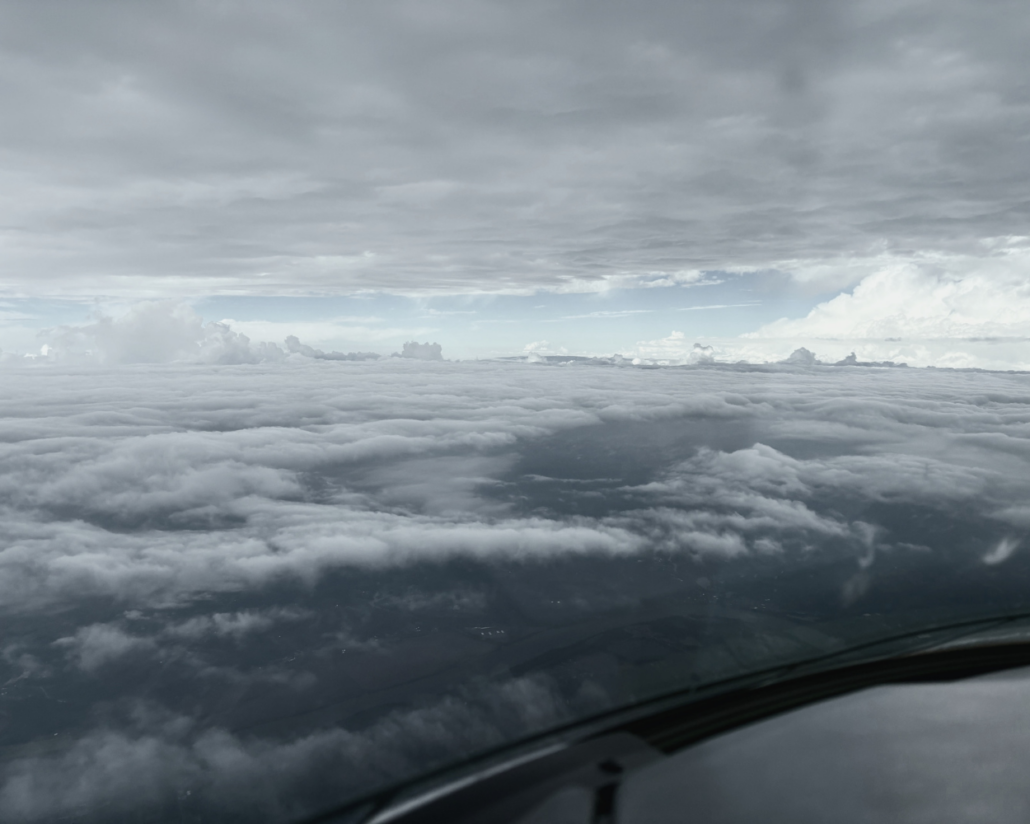
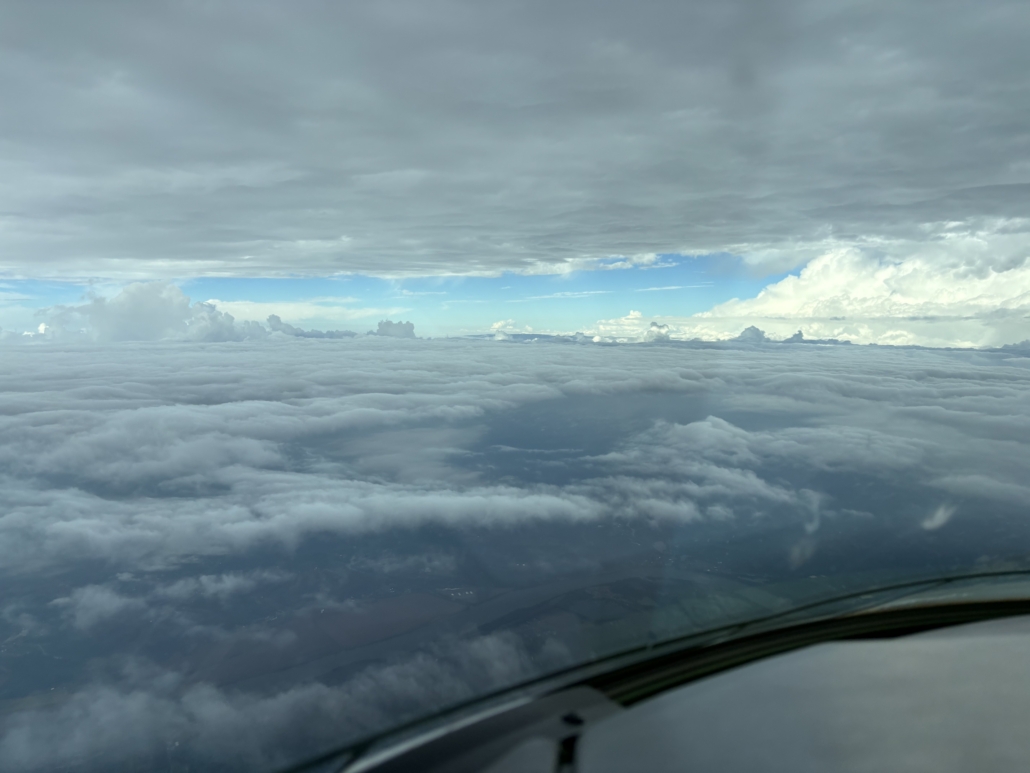
Jackson Hole isn’t an airport we visit frequently, and it’s not an approach you want to treat casually. The airport sits at a high elevation (6400′), surrounded by mountainous terrain, so we spent more time than usual briefing the arrival and approach. The weather was officially VFR, but it wasn’t exactly clear. As we approached the initial approach fix, we were in and out of layers.
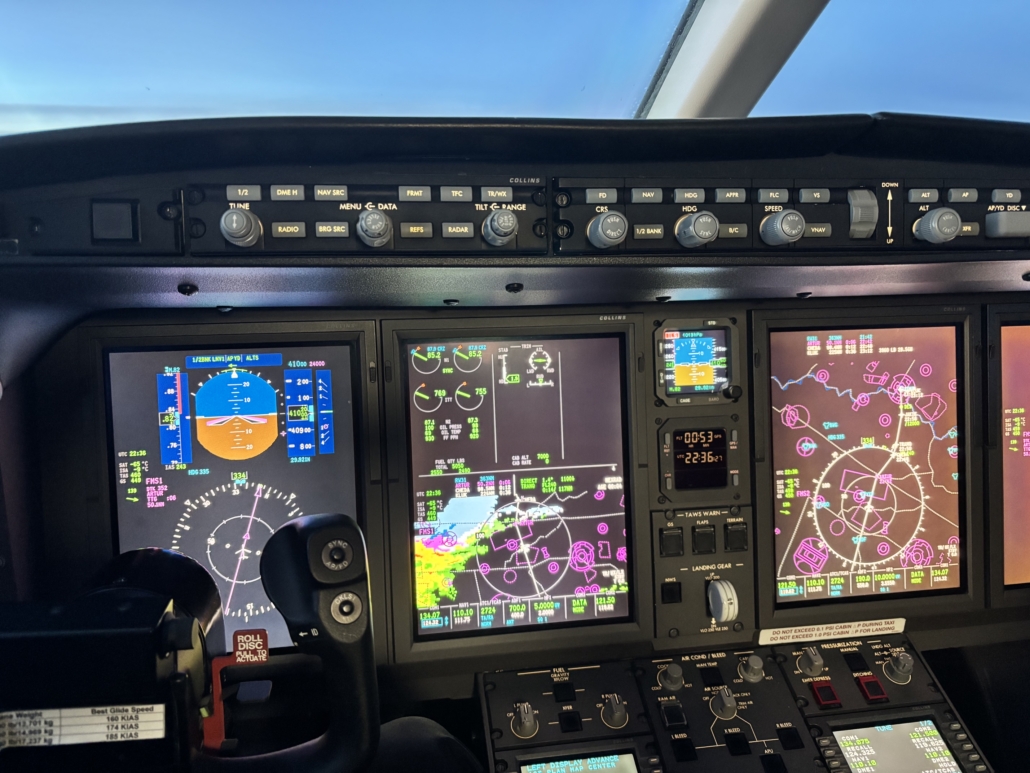
We were also flying an approach that we had thoroughly briefed, so we had a pretty good idea of what the airplane should be doing and when. Then the needles went green transferring the nav input source from FMS to LOC. The autopilot had captured the approach and began an unexpected turn toward the final approach course which wasn’t what we were expecting at that point in the procedure.
We didn’t spend much time trying to figure out why. We disconnected the automation and went back to hand-flying. With two pilots in the cockpit and a thoroughly briefed approach, we were able to quickly get the airplane back where we wanted it, reestablish the automation, and continue the approach. It wasn’t a dramatic event, but it was a good reminder of several fundamentals that can get overlooked when we’re accustomed to letting the automation do the flying.
The Automation Wasn’t the Problem
Tim Decker recently wrote about the importance of cross-checking automation and offered three simple rules for doing it. Those rules came to mind as I thought about what happened at Jackson Hole. The important event to recognize was that the airplane was doing something we didn’t expect.
Modern avionics are very good at following instructions, but they don’t know what you intended unless you’ve given them the right instructions—and even when everything is programmed correctly, the airplane can sometimes behave differently than you anticipated. That’s why an instrument pilot can’t simply monitor whether the autopilot is engaged or whether the appropriate annunciation is displayed. You have to monitor the resulting flight path.
Where is the airplane?
Where is it going?
What should it be doing next?
And does what you’re seeing match what you expected? At Jackson Hole, the answer was no. We caught it quickly because we were looking.
Fly First, Troubleshoot Later

Fly First, Troubleshoot Later
When an automated system does something unexpected, it’s natural to want to understand why. Which mode is active? Did we miss something in the set-up? Why did it capture? Those are all reasonable questions, but they don’t necessarily need to be answered immediately.
The immediate question is whether the airplane doing what I need it to do? If the answer is no, disconnecting the automation may be the quickest way to eliminate uncertainty and get back to the fundamentals. Fly the airplane first and then figure out what happened.
That doesn’t mean every unexpected automation event requires immediately turning everything off. It means the pilot needs to remain comfortable enough with the airplane to recognize when automation is no longer helping and to take control by any means available without hesitation.
Are You Ready to Hand-Fly?
That’s where instrument proficiency comes in. There’s a difference between practicing hand-flying and being ready to hand-fly. You don’t need to turn off the autopilot on every IFR flight just to prove that you can fly an approach. Automation is one of the great tools available to an instrument pilot, and using it appropriately can reduce workload and increase safety.
But if the autopilot suddenly disconnects—or you disconnect it because the airplane isn’t doing what you expect—you shouldn’t suddenly feel like you’ve lost your primary flight-control system. The basic skills still need to be there.
Can you maintain heading and altitude?
Can you control the airspeed without chasing it?
Can you intercept and track a course?
Can you configure the airplane for landing while maintaining control?
Can you fly the approach while also thinking about what comes next?
Those aren’t skills that should disappear just because the airplane has an autopilot. But like any skill, they can get rusty if they’re rarely used.
The Briefing Was a Big Part of the Solution
One of the things that helped us at Jackson Hole happened before we ever got to the approach was that we had briefed it carefully. That wasn’t just about checking the minimums or reviewing the missed approach (although we did that too). We talked through the procedure and the environment because this was an airport we don’t fly into regularly, at high elevation, in mountainous terrain and with conditions that weren’t as straightforward as the VFR designation might suggest.
That preparation made the surprise much easier to recognize. And that’s an important part of instrument flying. You can’t recognize that something is unexpected unless you have some idea of what you expected in the first place. A good approach briefing creates that mental picture.
Use All the Resources You Have
I also had another advantage that day: another pilot in the cockpit. Crew resource management is a major part of professional flying, and having a second set of eyes makes it easier to monitor the airplane, the automation and the approach at the same time, but the underlying discipline applies to single-pilot flying, too.
Brief the approach out loud. Think about what the airplane should do at each major point. Know what the important modes and transitions should look like. And when something doesn’t make sense, don’t simply assume the airplane must be right.
Automation is an incredible tool. Use it. Trust it when appropriate. But keep your instrument skills sharp enough that you’re ready for the moment when you have to take back the airplane.
- Be Ready to Take Back the Airplane - October 13, 2026
- New IFR Mastery: No Easy Way North - October 9, 2026
- IFR Holding Procedures Explained: A Pilot’s Guide to Holding Patterns - September 28, 2026

Leave a Reply
Want to join the discussion?Feel free to contribute!