
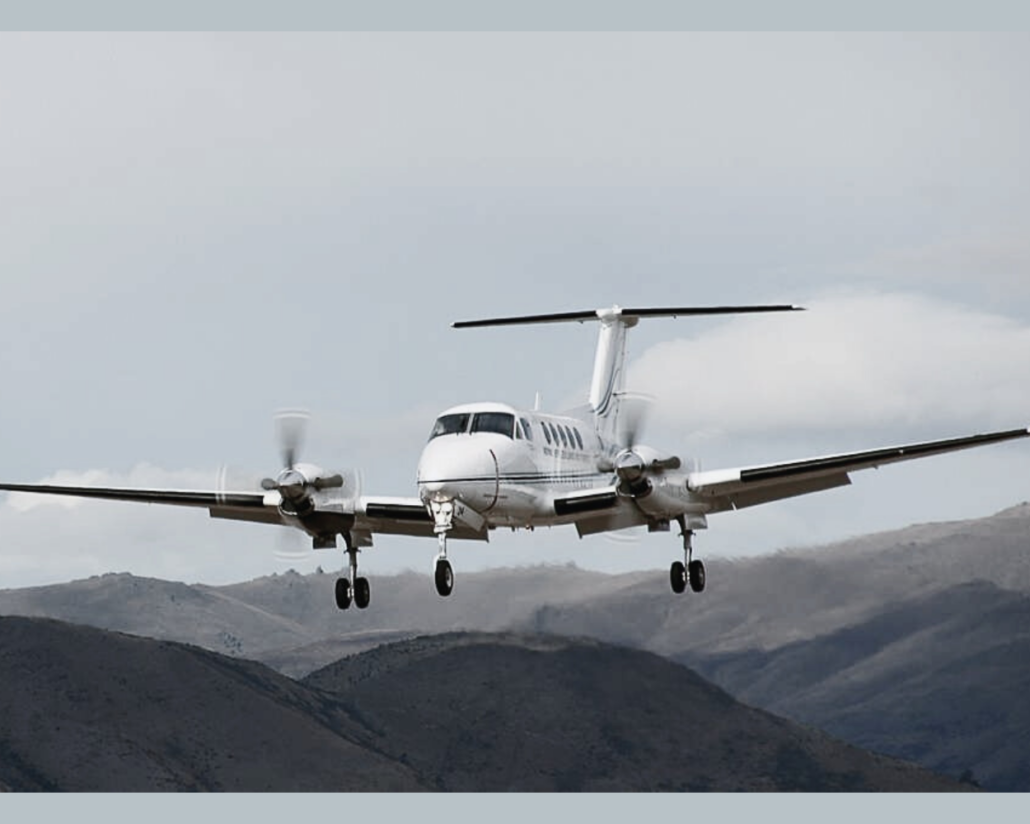
IFR Decision-Making Under Pressure: When “Go” Becomes the Wrong Answer
|
Getting your Trinity Audio player ready...
|
We often talk about IFR decision-making and go/no-go calls in comfortable environments, classrooms, safety seminars, or sitting in an FBO with a cup of coffee. In those settings, the decisions are clean. Detached. The weather is hypothetical. The passengers are imaginary. There is no fatigue, no operational pressure, no schedule waiting in the background. From that distance, the “right” answer is usually obvious.
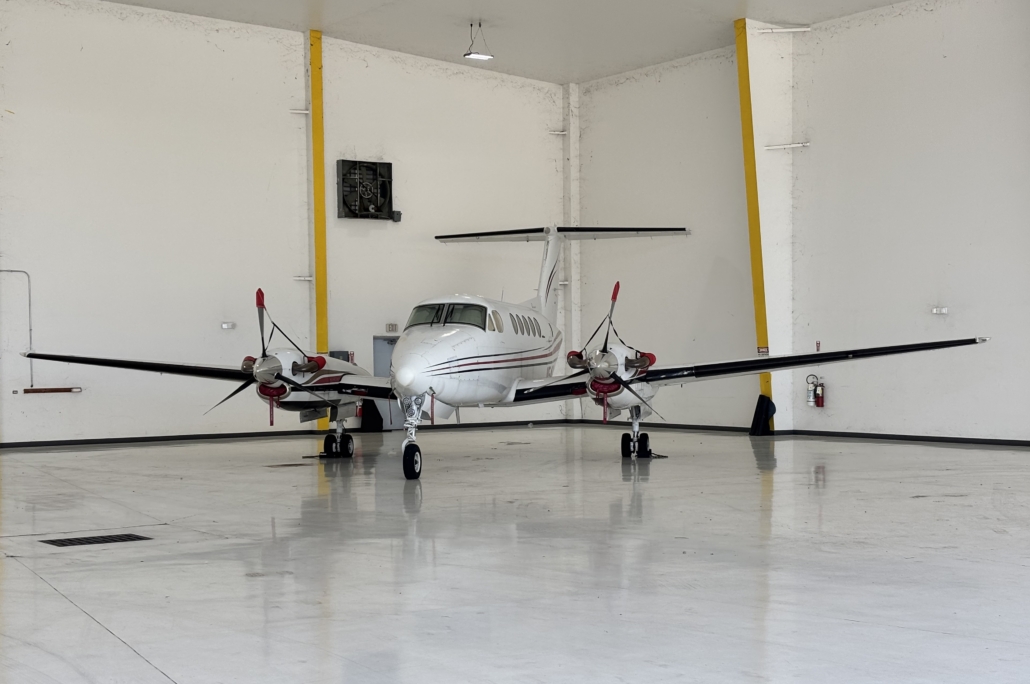
We often talk about IFR decision-making sitting in the hangar with a cup of coffee—in those settings, the decisions are clean.
But real-world decision-making rarely happens in calm, theoretical conditions. It happens when people are tired. When the trip is almost over. When passengers need to get somewhere. When the week has already been long and everyone is thinking about home.
Real-world decision-making rarely happens in calm, theoretical conditions. It happens when people are tired. When the trip is almost over. When passengers need to get somewhere..
That is where the true test of IFR judgment begins.
Several years ago, I was flying a King Air on the last day of a four-day trip. We had been flying eight-hour days. My copilot and I were both looking at only a day and a half off before returning Monday to start another demanding week of work, more inspections, more travel, more time away. We still had expense reports to complete, laundry to do, planning to finalize. Like most professional crews at the end of a trip, we were mentally already halfway home.
That Friday morning, we were departing Ohio for Ann Arbor, Michigan, to complete one final inspection before finishing the week in western Michigan. During preflight at the FBO, we noticed a PIREP from an MD-11 departing Detroit, about ten miles east of our destination, reporting severe icing on departure. That caught my attention. Ten minutes later, another report came in from a CRJ-700 in roughly the same area, reporting light to moderate icing.
We called dispatch. We reviewed the weather products. The icing forecast showed light to moderate conditions, nothing outside what a properly equipped King Air should handle. Traffic was departing Detroit continuously. No other aircraft reported severe icing, and nothing in the data suggested severe icing should be anywhere along or near our route. After discussing it, we decided to go.
On paper, it was a reasonable decision.
We departed on an IFR flight plan and headed north. South of Toledo, the first trace of ice appeared. It began as light accumulation, manageable, expected. Then it increased to moderate.
In a turboprop, moderate icing is not subtle. Windshield heat on. Prop heat on. Boots cycling. You start monitoring how often you need to inflate the boots. You check representative surfaces, windshield wipers, antennas, unprotected edges. You listen for ice shedding off the propeller blades and striking the fuselage. That sound is unmistakable.
At first, the airplane was handling it well. Airspeed steady. Boots shedding ice. No abnormal indications.
My copilot spoke up.
“Hey, the ice is picking up. What do you think about heading west?”
I assessed the instruments and outside cues. Everything appeared under control. “I think we’re okay,” I replied. “It’s moderate, but the airplane’s handling it fine.”
A few minutes later, he asked again. “We could just head west and pick this up Monday.”
Again, I declined. The systems were working. The airspeed was holding. Nothing was technically wrong.
And that’s where the trap was.
Over the next minute or two, the sound changed. Instead of light ice tapping the fuselage, we heard heavier chunks striking the cabin. The accumulation rate increased. Ice was building faster between boot cycles. The cues were subtle at first, then unmistakable.
I finally turned to him and said, “Let’s tell ATC we’re heading west.”
At almost the exact moment I said it, we entered severe icing.
The change was immediate and violent. Ice broke off windshield wipers and struck the windscreen with force. Larger pieces slung off the propellers and slammed into the fuselage. We inflated the boots, cleared the wings, only to look back seconds later and see them coated again as if we had never cycled them.
We advanced to full power. All anti-ice systems on high. We requested an immediate climb and turn.
Initially, we had about 700 feet per minute of climb. Then 500. Then 300. The airspeed began to bleed off, not just from the climb, but from the sheer drag accumulating on the aircraft. In severe icing, performance degradation happens quickly. What looks manageable can become untenable in moments.
We were still at 8,000–9,000 feet, with altitude to work with. If the climb failed, we were prepared to descend. But the margin was shrinking.
Then, about 60 seconds later, we broke out of the icing completely, into clear, solid VFR.
The relief was immediate.
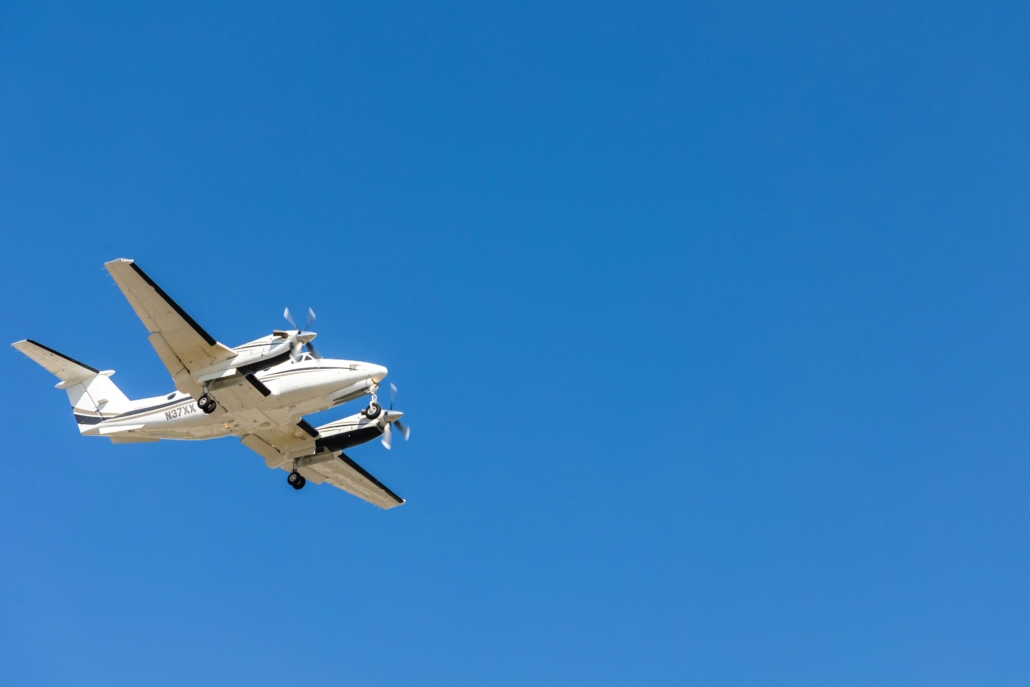
The relief was immediate as we broke out into clear, solid VFR.
Looking back at the airplane, nearly every unprotected surface carried half an inch to three-quarters of an inch of ice. Anywhere there wasn’t a boot or heat, ice remained thick and stubborn.
We canceled the inspection and diverted west. Once on the ground, we pulled the airplane into the hangar and debriefed.
That debrief was the most important part of the day.
The airplane had performed exactly as designed. The systems worked. The training held. But the real issue wasn’t aircraft capability.
It was decision-making under pressure.
In the FBO, the go/no-go discussion was analytical and rational. But once airborne, on the last day of a long week, with work to finish and home waiting, I allowed external pressure to influence my internal risk tolerance.
The first time my copilot suggested diverting, the airplane was still within limits. It was manageable. But it was trending worse. And that trend mattered.
The question wasn’t, “Can the airplane handle this right now?”
The question should have been, “Why are we choosing to continue into worsening conditions when we don’t have to?”
That is the difference between legal and wise.
The real lesson from that day was simple: when you feel pressure to complete a task, that is precisely when you need to examine your decision more critically. Fatigue, schedule pressure, passenger expectations, and the desire to finish what you started can all subtly push a pilot to accept more risk than necessary.
We often ask, “Can we make it?”
A better question is, “What happens if we don’t?”
In our case, the consequence of turning west earlier would have been minor. We would have rescheduled the inspection for Monday. The inconvenience was administrative, not operationally critical.
But by pressing on, we exposed ourselves to a risk environment that escalated faster than anticipated.
IFR decision-making is dynamic. It requires continuous reassessment. A safe “go” at 8:00 a.m. may become a poor decision at 8:30 a.m. Trends matter. Pilot reports matter. Crew input matters.
Most importantly, speaking up matters.
My copilot saw the trend before I was willing to acknowledge it. Good CRM means listening, not just hearing.
That flight reinforced a principle I carry forward on every trip: if the consequence of delaying or canceling is inconvenience rather than catastrophe, choose inconvenience.
Airplanes can handle a lot. Pilots can handle a lot. But no schedule is worth trading away margin.
In the classroom, go/no-go decisions are clean and detached. In the real world, they are wrapped in fatigue, expectation, and subtle pressure.
In the classroom, go/no-go decisions are clean and detached. In the real world, they are wrapped in fatigue, expectation, and subtle pressure.
That is why the discipline to say “no”, especially when you technically could say “yes”, is one of the most important skills an instrument pilot can develop.
Because sometimes the most professional decision you can make is the one that gets you home a day later.

His aviation career spans Part 91, 135, and 121 operations, including roles as regional airline first officer, fractional jet pilot, Director of Operations, FAA Aviation Safety Inspector, and Flight Check pilot certifying instrument procedures across the United States.
In 2010, James founded Raven Career Development to help aviation professionals advance their careers.
Since then, Raven has helped hundreds of pilots across airline, corporate, charter, and military sectors land the positions they wanted.
While others offer templates and group coaching, James provides one-on-one mentorship with personalized career strategy and real-world industry insight.
🛬 Learn more at RavenCareers.com
- Managing IFR Workload and Flight Deck Discipline: Staying Ahead of the Airplane - June 12, 2026
- The IFR Emergency You Didn’t Train For - April 7, 2026
- IFR Decision-Making Under Pressure: When “Go” Becomes the Wrong Answer - February 24, 2026

Leave a Reply
Want to join the discussion?Feel free to contribute!