
Into the Clouds: Hazards in Your Head
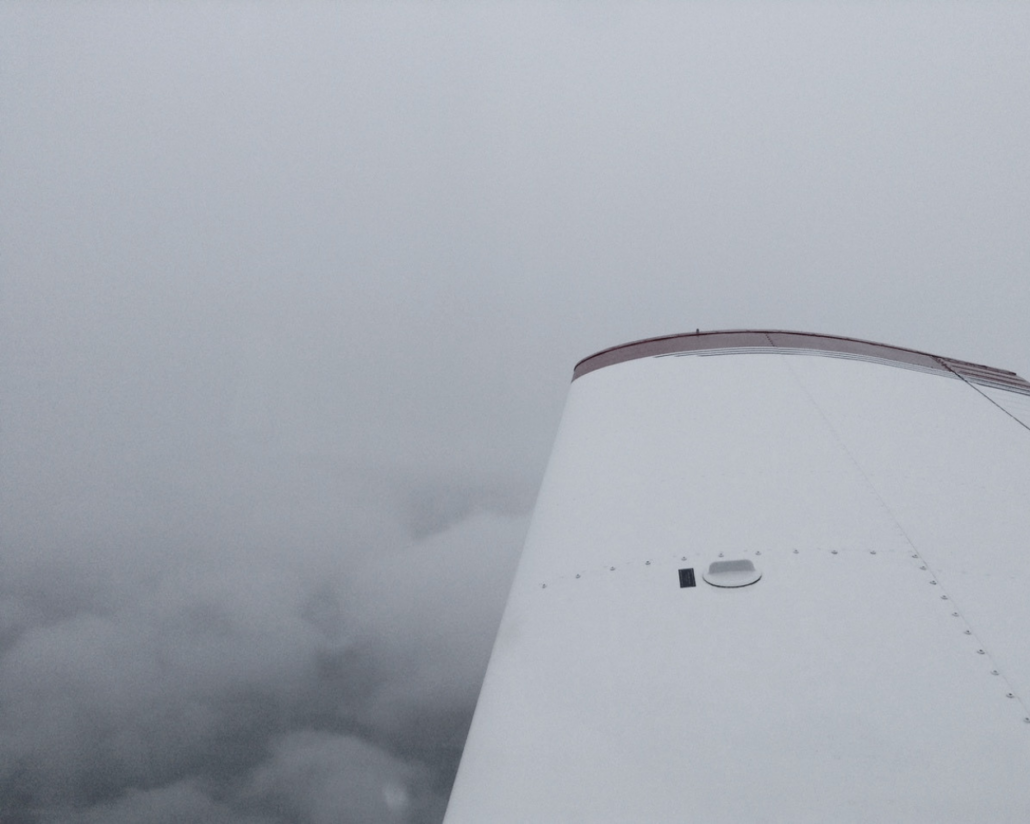
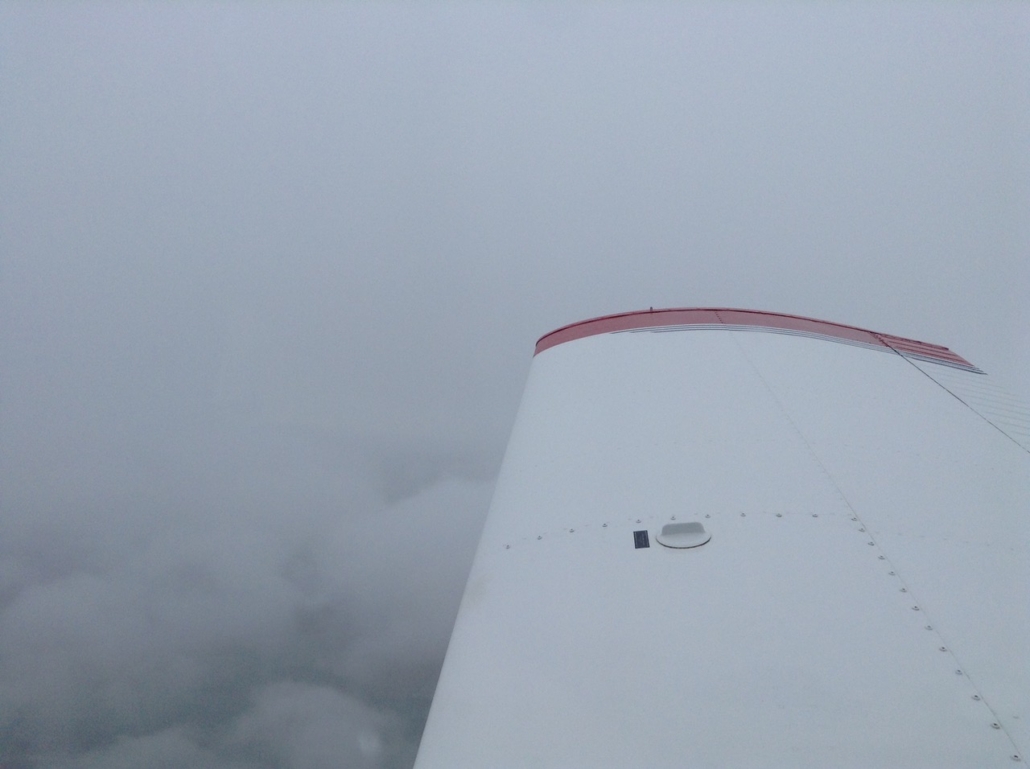
Whether taking a personal trip or out practicing, “logging actual” is a valued bonus to IFR flying. Those times when we’re in the clouds, though, are often brief – sometimes a few seconds to climb above a layer for the smooth, clear skies above. By contrast, departing into low ceilings or visibility followed by prolonged flight in IMC is a whole different experience. It requires a good handle on instrument skills – and awareness of the physiological hazards, which don’t get much attention even for approaches, much less departures. It might be because for many flights, the weather is decent and the procedures are simple, like a heading and altitude after takeoff. And takeoffs are easier than landings, right? In addition, we devote much brainpower to reaching the destination. Obtaining preflight briefings, clearances, and loading routes and charts takes time and effort. With all that, the risks of spatial disorientation during instrument departures might not come to mind.
Human Factors on Takeoff
That being said, “spatial disorientation” appears throughout the NTSB’s probable causes of IFR departure accidents. The narrative of a Cessna 182 crash in 2021 describes an erratic flight path “consistent with the pilot experiencing a type of spatial disorientation known as a somatogravic illusion.” The FAA Instrument Flying Handbook describes this illusion as the sensation of pitching up during aircraft acceleration, causing the pilot to pitch down. In a 2022 accident, a Cessna 210’s unusual attitudes during departure were “consistent with the pilot experiencing spatial disorientation in night instrument conditions…” Some reports note added aeromedical factors such as health conditions, medications, and fatigue. Those can make disorientation worse, or bring it on for a pilot who hasn’t had previous issues. Sometimes a lack of proficiency or recent experience emerge in the investigation. These are all elements worth considering in our own risk management.
The handbook’s guidance explains how the lack of a visual horizon can cause multiple sensory conflicts with our bodies, vision and inner ears, such as the somatogravic illusion described. Other forms include vertical acceleration during climbout (elevator illusion), which can lead a pilot to pitching the wrong way. Turning to a heading can cause inner-ear sensations that conflict with the instruments. Add in the inversion illusion of “tumbling backwards” while pitching for level flight and we have lots of ways to become disoriented – all in the first moments of departure. These are different for each person and will vary from no effects to severe disorientation. A solid instrument scan appropriate for the avionics and proficient flying are the antidotes; many pilots can’t eliminate the symptoms of disorientation.
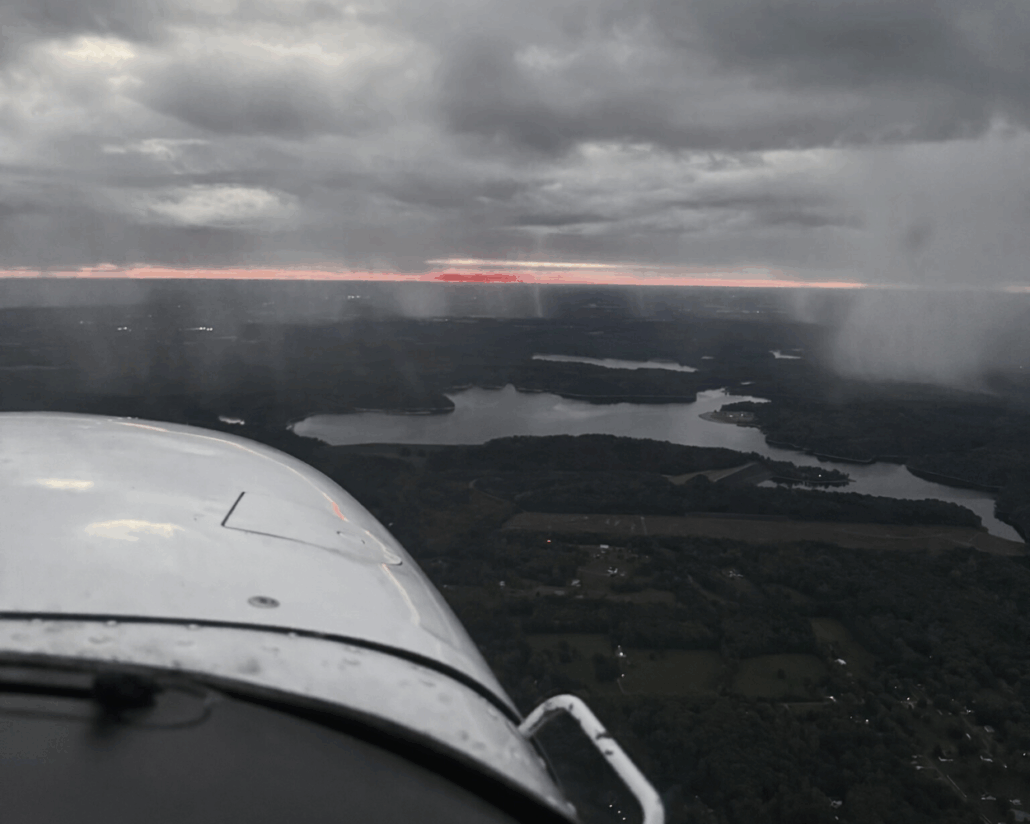
Before we discuss automation, it’s important to point out that during takeoff and the initial climb phase, you’re hand flying. Same goes for missed approaches, which can require transitions from descents to climbs in solid IMC. In any case, departures have changes in speed and pitch along with roll and yaw. If uncoordinated, there’s more potential for disorientation. Another consideration for departures into IMC is that visibility worsens, rather than improves, unlike approaches when visual conditions (hopefully) get better as you descend or break out into VMC. Departing into low IFR conditions (ceiling less than 500 feet or less than one mile visibility), all the way down to “zero-zero,” can mean operating solely on instruments as you line up on the runway. There’s no minimum under 14 CFR Part 91, so the conditions in which you are willing to depart comes down to your personal limitations.
Be Situationally Aware
 Same goes for nighttime instrument departures. Whether it’s an ocean, large lake, a remote landscape on a moonless night or even a well-lit city with deceiving horizon lines, flying at night, even in VMC, introduces a combination of disorientation risks. You’ll be hand-flying on a panel scan from the takeoff roll and often climbing from a brightly lit runway (sometimes too bright) into the dark. You’re climbing, turning and managing radios and navigation before your eyes have a chance to adjust. And if you haven’t turned down the panel lighting on all those screens, they won’t. (I’ve found that many screens don’t dim down enough.) Our eyesight isn’t all that great in the dark even after adapting, so it’s likely you’re flying a departure with multiple physiological factors working against you. Even at cruise, visual illusions continue to make it difficult to discern your aircraft position in space, or detect movement of other traffic, especially with haze or cloud layers.
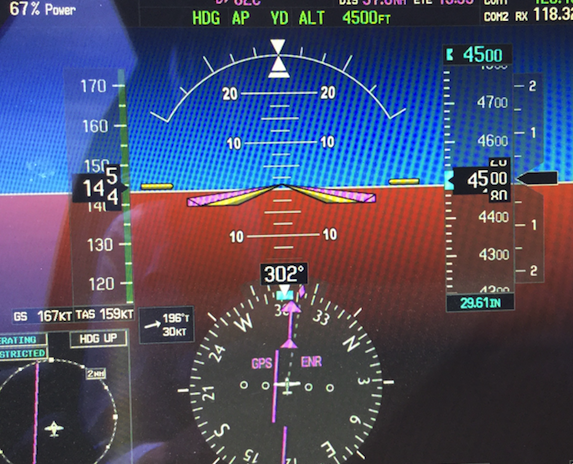
Now, a word on autopilots: They are fantastic for reducing workload in IMC and their smooth, precise control can greatly decrease the chance of disorientation. But don’t allow your autopilot to take you away from the instrument scan. That’s still your job, and it’s important to be comfortable downgrading automation or taking full control at any time, not just when you’re planning to. Correct pre-programming for departure is a must – you don’t want a surprise change in flight path after activation, risking not only a deviation but disorientation, too. For example, mistrimming the aircraft during a hand-flown climbout, then activating the autopilot, can cause an abrupt, disorienting pitch change. Also know your autopilot’s altitude limitations for departures and approaches; 100–200 feet AGL is typical for light GA models. The numbers can vary depending on the phase of flight and include other limitations, so check the POH or flight manual supplement.
Departures Take Practice
Reducing the risks of disorientation on departure starts with maintaining instrument proficiency while building awareness of your own brain’s responses to actual IMC. Some tips for flying and training:
- Know how your body responds to spatial illusions during various phases of flight including departure, preferably by training with an experienced instructor. When taking pilots through the rating, I’ve always had them work through climbs, turns and descents followed by other IFR tasks in the clouds so they know what it’s like. This is great for refresher training, especially for pilots with little actual time.
- Stay proficient in instrument scans during both hand flying and autopilot engagement. During departures, know what’s supposed to happen in the transition between the two – it should be barely noticeable. Stay on the scan with the autopilot on and be ready for errors or malfunctions. Emergency training for partial panel, autopilot failure and other abnormals are great ways to stay sharp and alert to additional disorientation risks.
- Include IFR departures in initial and recurrent training plans along with approaches, which tend to get more focus. Fly different procedures, such as SIDs and ODPs, in actual conditions as appropriate. Define personal minimums for departures as you would approaches, adjusting for factors such as recency of experience, weather conditions and unfamiliar procedures.
The ability to take off into the clouds is a great use of instrument privileges. As with any phase of flight, departures are made safer by knowing the risks. Those include spatial disorientation, which can be managed well with the knowledge and skills you need for “logging actual.”

- Into the Clouds: Hazards in Your Head - July 7, 2026
- A New Take on Alternates - May 12, 2026
- Airspace: Who Cares? - March 10, 2026

Elaine, this is a very good reminder of what we all, as instrument pilots, should (and do) know. But as humans need regular reminding of…