
 https://media.ifrfocus.com/wp-content/uploads/2026/01/23120113/The-GoNo-Go-Decision-Isnt-Binary.png
1000
1250
IFR Focus Team
https://media.ifrfocus.com/wp-content/uploads/2025/07/14115136/IFR-Focus-Logo_White_Blue_Web-01.png
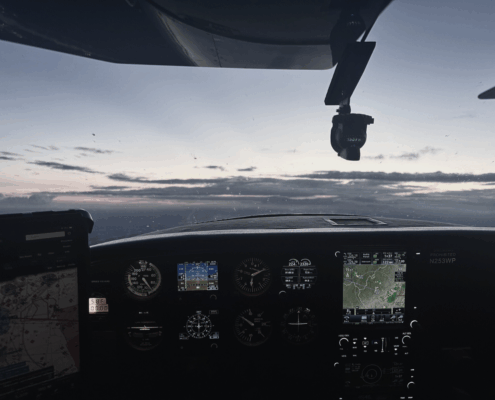
IFR Focus Team2026-04-29 08:55:352026-04-28 13:47:31Video Tip: Cruise Clearance
 https://media.ifrfocus.com/wp-content/uploads/2026/04/21095939/Off-Route-IFR-Altitudes-Why-OROCA-Isnt-Enough.png
1000
1250
Paul Jurgens
https://media.ifrfocus.com/wp-content/uploads/2025/07/14115136/IFR-Focus-Logo_White_Blue_Web-01.png
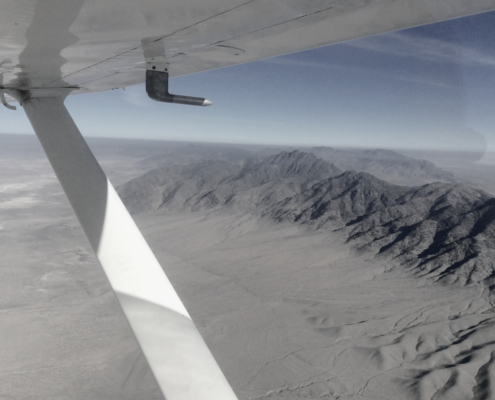
Paul Jurgens2026-04-24 08:55:582026-04-24 09:46:30Off-Route IFR Altitudes: Why OROCA Isn’t Enough
 https://media.ifrfocus.com/wp-content/uploads/2026/04/21091340/missed-approach-from-circle.png
1000
1250
IFR Focus Team
https://media.ifrfocus.com/wp-content/uploads/2025/07/14115136/IFR-Focus-Logo_White_Blue_Web-01.png
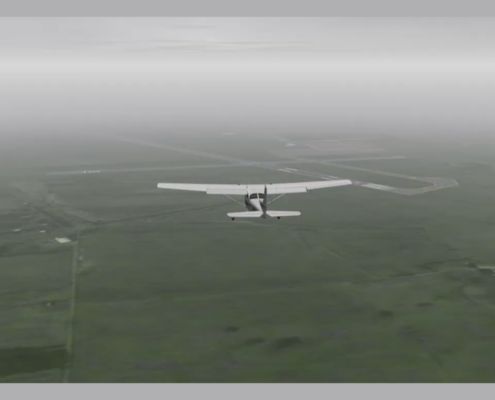
IFR Focus Team2026-04-21 08:55:182026-04-21 09:13:48Instrument Maneuver Spotlight: Missed Approach from a Circling
 https://media.ifrfocus.com/wp-content/uploads/2026/04/13122513/turn-anticipation-near-anaheim.png
1000
1250
Pilot Workshops
https://media.ifrfocus.com/wp-content/uploads/2025/07/14115136/IFR-Focus-Logo_White_Blue_Web-01.png
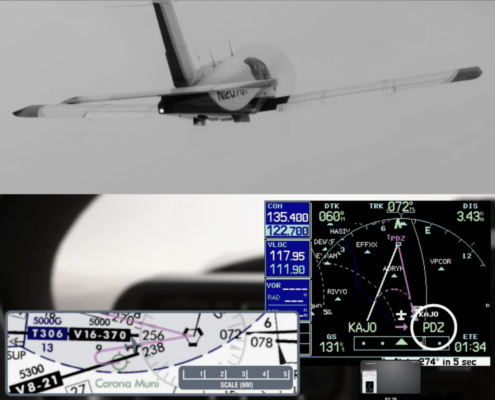
Pilot Workshops2026-04-16 08:55:402026-05-18 09:46:32IFR Challenge: Anticipation Near Anaheim
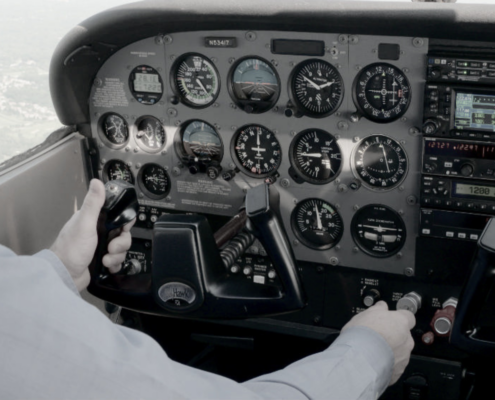 https://media.ifrfocus.com/wp-content/uploads/2026/04/08111022/practical-have-a-speed-to-fly.png
1000
1250
Jeff Van West
https://media.ifrfocus.com/wp-content/uploads/2025/07/14115136/IFR-Focus-Logo_White_Blue_Web-01.png
Jeff Van West2026-04-14 08:55:112026-04-08 11:11:36Practial IFR: Have a Speed-to-Fly for Emergencies in IMC
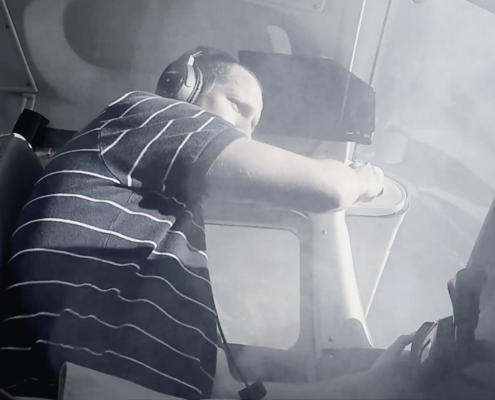 https://media.ifrfocus.com/wp-content/uploads/2026/04/06104532/quiz-ifr-emergencies.png
1000
1250
IFR Focus Team
https://media.ifrfocus.com/wp-content/uploads/2025/07/14115136/IFR-Focus-Logo_White_Blue_Web-01.png
IFR Focus Team2026-04-10 08:55:542026-04-06 10:46:05Quiz: IFR Emergencies
