
Half Sized Blog Element (Single Author Style)
Half Sized Blog Element (Multi Author Style)

Why Advisory Glideslope +V Can Get You in Trouble
On WAAS-equipped GPS units, many non-precision approaches (like LNAV or LP) will display LNAV+V or LP+V. That “+V” indicates advisory vertical guidance—an internally generated glidepath from the final approach fix (FAF) to the runway. It’s designed to help you fly a continuous descent final approach—a safer, more stabilized alternative to the old “dive and drive” technique. That’s the good news.

Try These New FAA Questions
How well do you really know your instrument flying procedures? Here are 5 of the newest FAA-style questions, recently added to Sporty’s comprehensive online Instrument Rating Course. They’re designed to make you think like an IFR pilot—whether you’re prepping for a rating or just keeping your skills sharp.
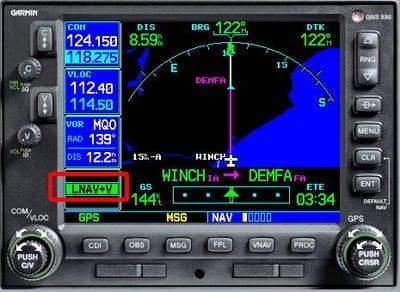 On WAAS-equipped GPS units, many non-precision approaches (like LNAV or LP) will display LNAV+V or LP+V. That “+V” indicates advisory vertical guidance—an internally generated glidepath to the runway. It’s designed to help you fly a continuous descent final approach—a safer, more stabilized alternative to the old “dive and drive” technique. That’s the good news.
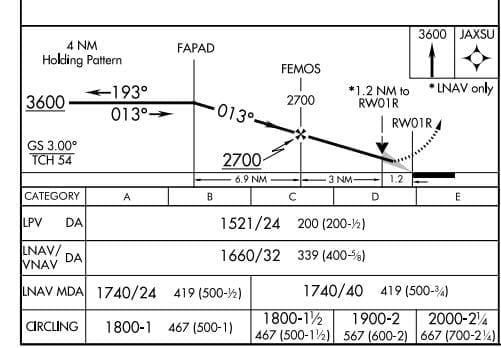 No matter what the avionics are showing, one rule doesn’t change: the altimeter is your primary reference and not the glidepath. Advisory vertical guidance can take you to minimums, but it cannot take you below them.




Why Advisory Glideslope +V Can Get You in Trouble
/by Eric RadtkeOn WAAS-equipped GPS units, many non-precision approaches (like LNAV or LP) will display LNAV+V or LP+V. That “+V” indicates advisory vertical guidance—an internally generated glidepath from the final approach fix (FAF) to the runway. It’s designed to help you fly a continuous descent final approach—a safer, more stabilized alternative to the old “dive and drive” technique. That’s the good news.
Try These New FAA Questions
/by Eric RadtkeHow well do you really know your instrument flying procedures? Here are 5 of the newest FAA-style questions, recently added to Sporty’s comprehensive online Instrument Rating Course. They’re designed to make you think like an IFR pilot—whether you’re prepping for a rating or just keeping your skills sharp.