
Half Sized Blog Element (Single Author Style)
Half Sized Blog Element (Multi Author Style)

Why Real-World Missed Approaches Feel So Hard
Despite the of precision WAAS approaches, real-time weather apps, and dependable automation, the missed approach hasn’t gone away—it’s just become rarer and, for many pilots, more difficult. In that way, it’s a maneuver that tests not just your stick and rudder skills, but your mindset. This article, based on a real-world go-around, shares six rules that can help you stay sharp and stay safe when the unexpected happens.
Instrument Maneuver Spotlight: Non-precision Approach
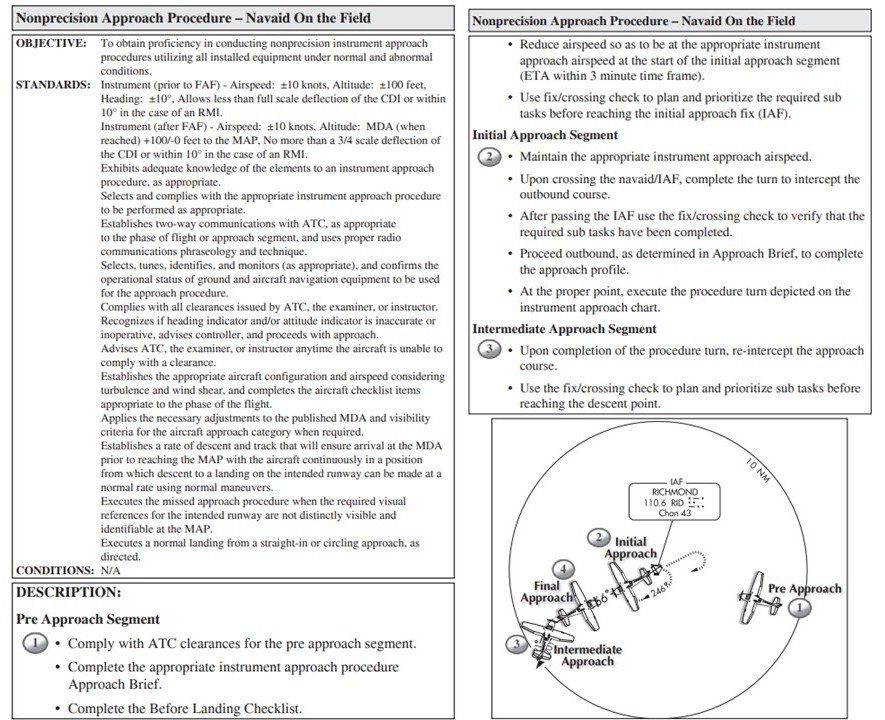
Unlike precision approaches that offer vertical guidance, nonprecision approaches require the pilot to manage descent rates and timing without the aid of a glide slope. This maneuver demands strong situational awareness, precise altitude control, and effective use of available navigation equipment—all essential skills for IFR proficiency.



Why Real-World Missed Approaches Feel So Hard
/by John ZimmermanDespite the of precision WAAS approaches, real-time weather apps, and dependable automation, the missed approach hasn’t gone away—it’s just become rarer and, for many pilots, more difficult. In that way, it’s a maneuver that tests not just your stick and rudder skills, but your mindset. This article, based on a real-world go-around, shares six rules that can help you stay sharp and stay safe when the unexpected happens.
Instrument Maneuver Spotlight: Non-precision Approach
/by Eric RadtkeUnlike precision approaches that offer vertical guidance, nonprecision approaches require the pilot to manage descent rates and timing without the aid of a glide slope. This maneuver demands strong situational awareness, precise altitude control, and effective use of available navigation equipment—all essential skills for IFR proficiency.