
Half Sized Blog Element (Single Author Style)
Half Sized Blog Element (Multi Author Style)

New IFR Mastery: No Easy Way North
What would you do if weather, darkness, and geography left you with several imperfect choices for an IFR flight?That’s the dilemma in this month’s IFR Mastery scenario from PilotWorkshops.
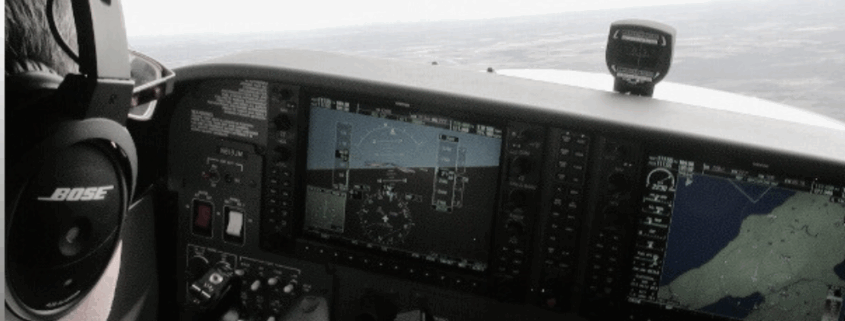
The Instrument Cross-Check Is Bigger Than You Think
The traditional instrument scan is still important, but modern IFR flying demands something more. Tim Decker explains how to build a broader cross-check that keeps you ahead of the airplane and its automation.

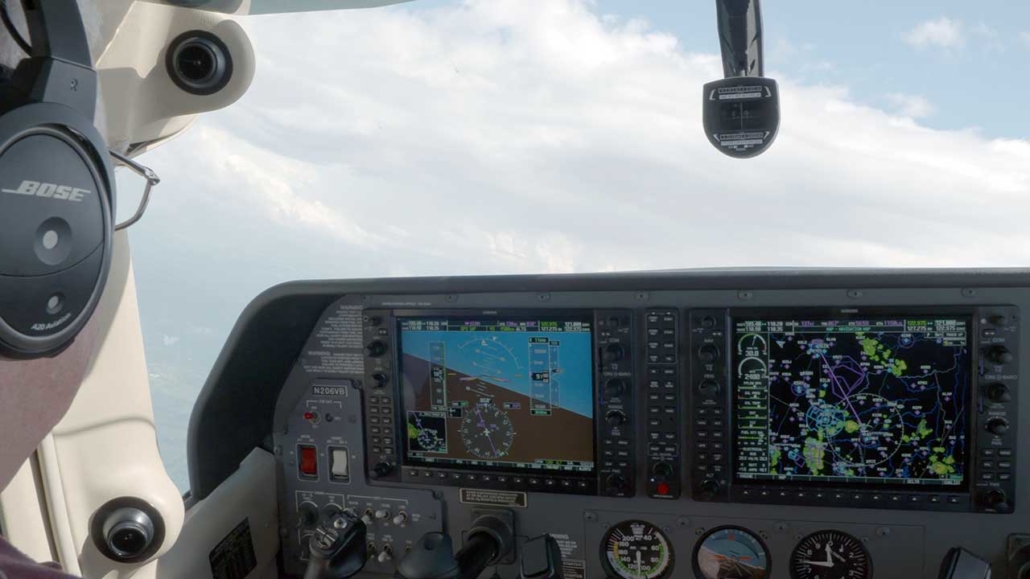
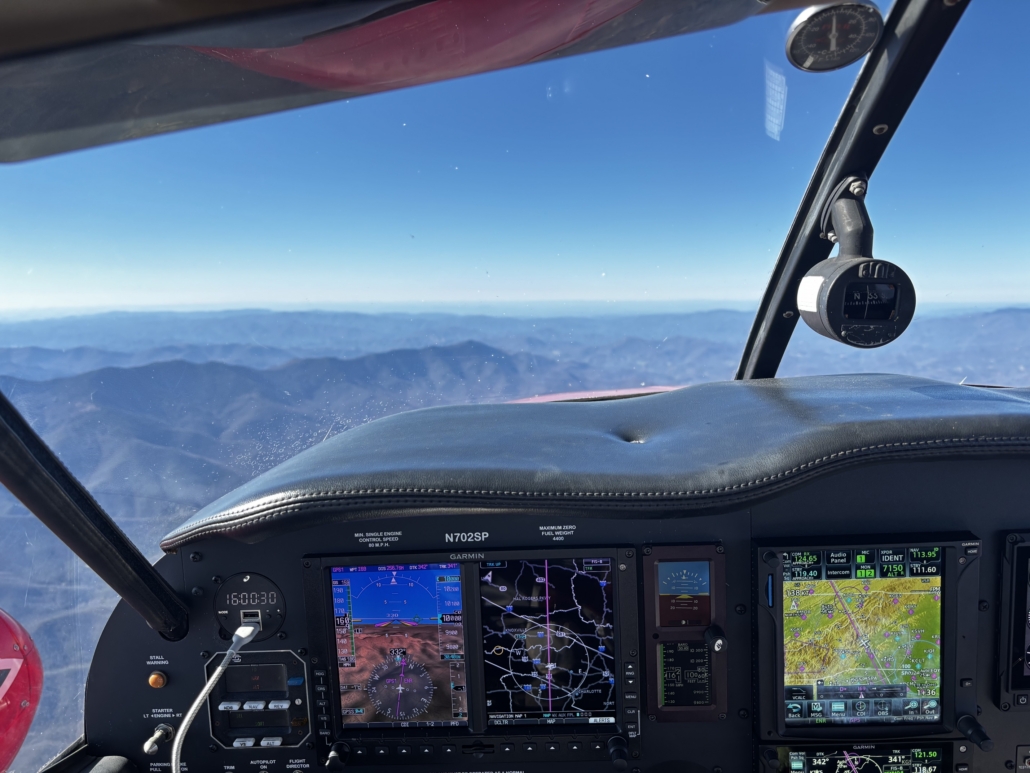
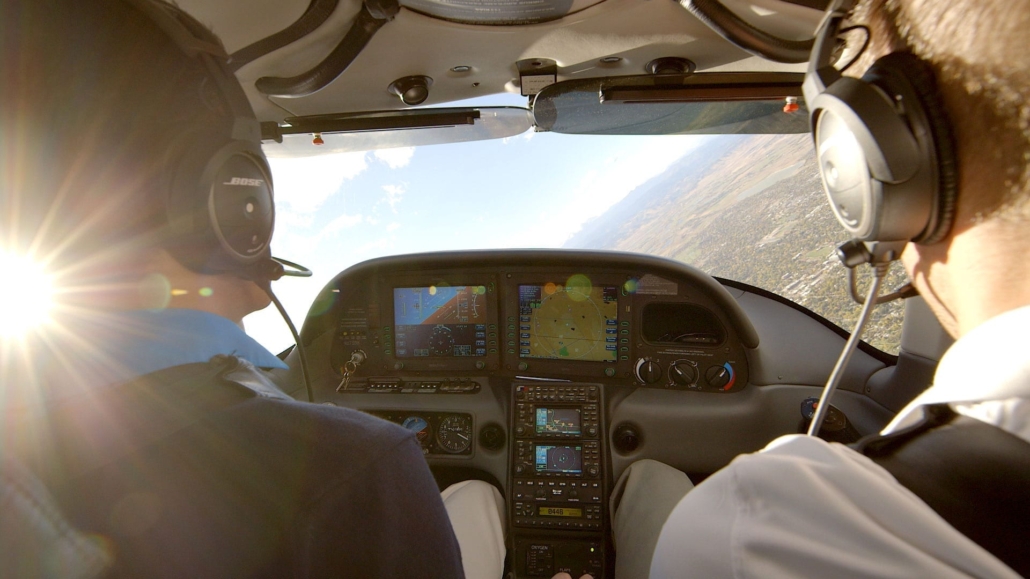

New IFR Mastery: No Easy Way North
/by Eric RadtkeWhat would you do if weather, darkness, and geography left you with several imperfect choices for an IFR flight?That’s the dilemma in this month’s IFR Mastery scenario from PilotWorkshops.
The Instrument Cross-Check Is Bigger Than You Think
/by Tim DeckerThe traditional instrument scan is still important, but modern IFR flying demands something more. Tim Decker explains how to build a broader cross-check that keeps you ahead of the airplane and its automation.