
Half Sized Blog Element (Single Author Style)
Half Sized Blog Element (Multi Author Style)
Don’t Just Read the Notes—Use Them
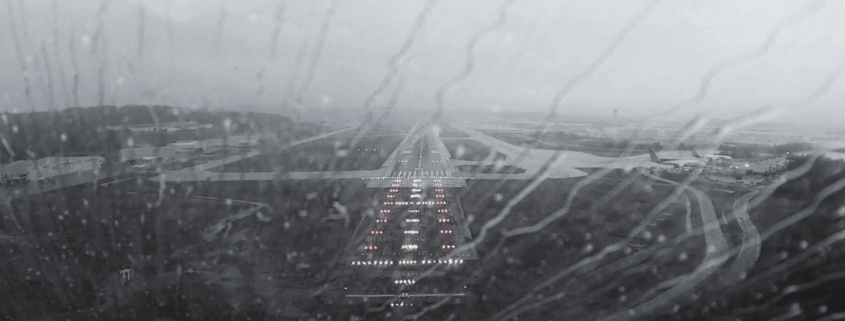
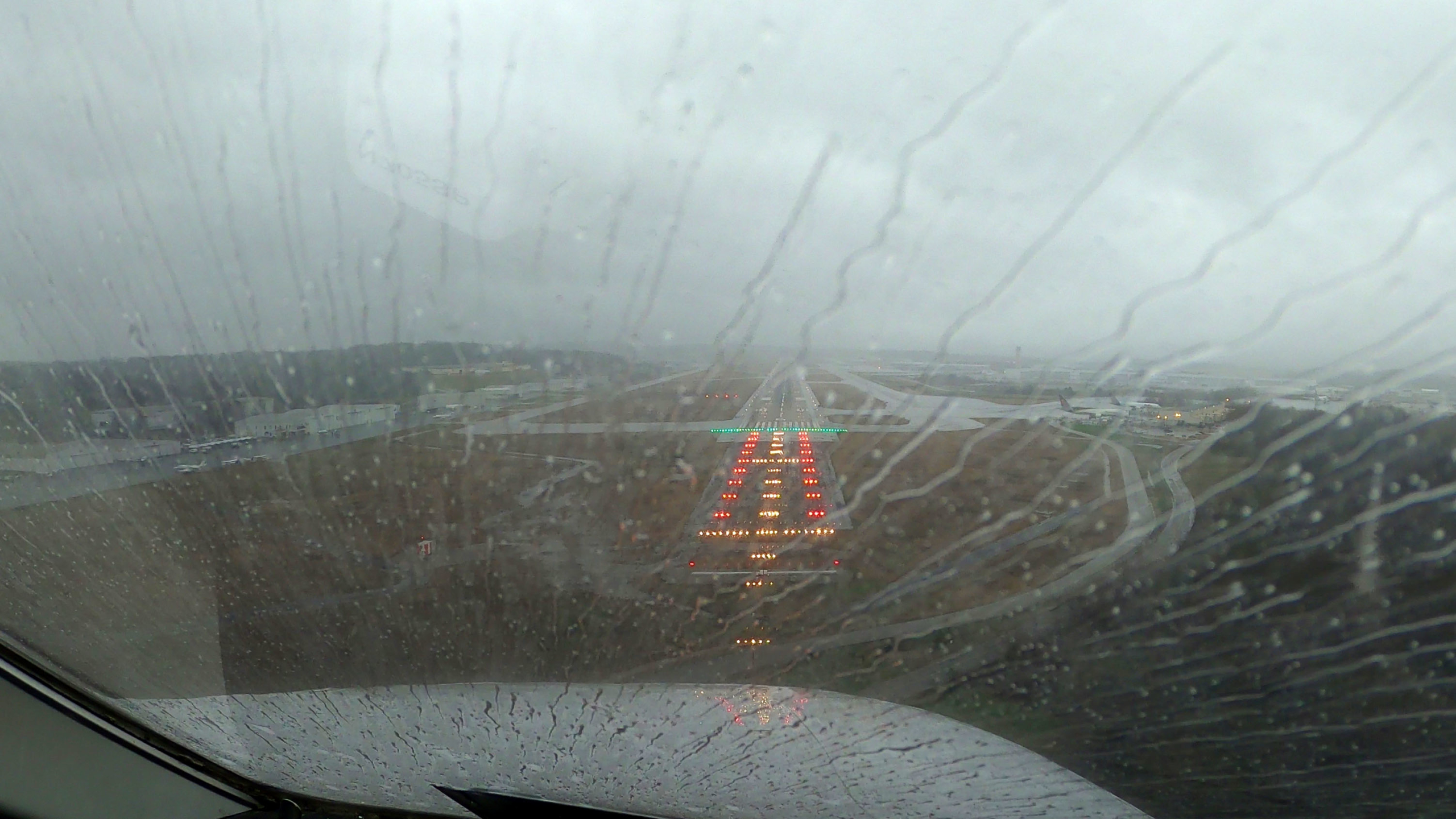
Picture this: you’re flying an ILS approach right down to the absolute minimums. At 200 feet above the ground, the only thing you can see are the approach lights flashing through the fog. You quickly run through FAR 91.175 in your head and remind yourself: yep, this means you’re allowed to keep going down to 100 feet above the touchdown zone.

Instrument Maneuver Spotlight: Instrument Takeoff
When the weather’s down and the runway is disappearing into the clouds, you can’t rely on outside references to stay on centerline and maintain control. That’s where the instrument takeoff comes in. In this maneuver spotlight, we’ll break down the step-by-step technique for conducting a safe and precise instrument takeoff
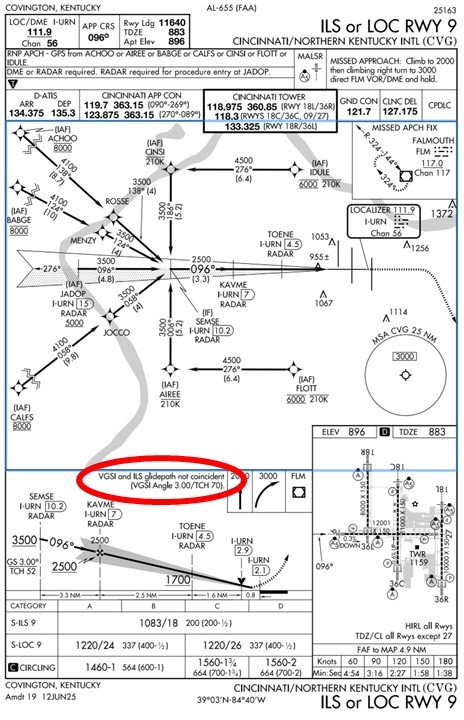 One of the easiest examples is when you see: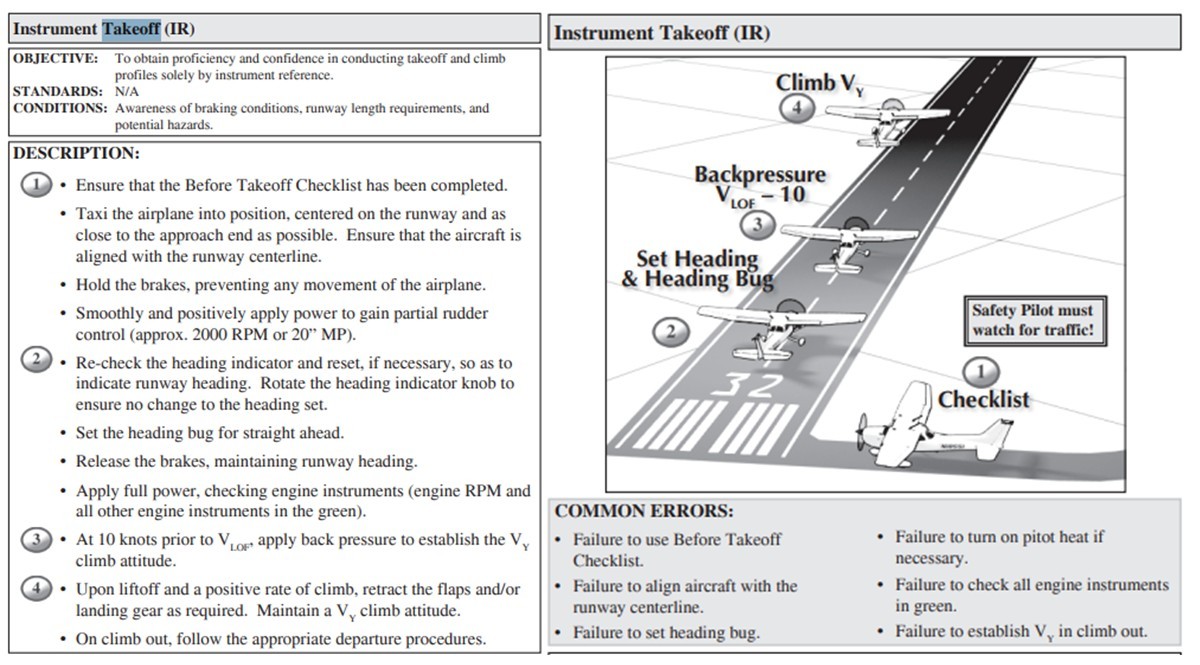


Don’t Just Read the Notes—Use Them
/by James OniealPicture this: you’re flying an ILS approach right down to the absolute minimums. At 200 feet above the ground, the only thing you can see are the approach lights flashing through the fog. You quickly run through FAR 91.175 in your head and remind yourself: yep, this means you’re allowed to keep going down to 100 feet above the touchdown zone.
Instrument Maneuver Spotlight: Instrument Takeoff
/by IFR Focus TeamWhen the weather’s down and the runway is disappearing into the clouds, you can’t rely on outside references to stay on centerline and maintain control. That’s where the instrument takeoff comes in. In this maneuver spotlight, we’ll break down the step-by-step technique for conducting a safe and precise instrument takeoff