
Half Sized Blog Element (Single Author Style)
Half Sized Blog Element (Multi Author Style)
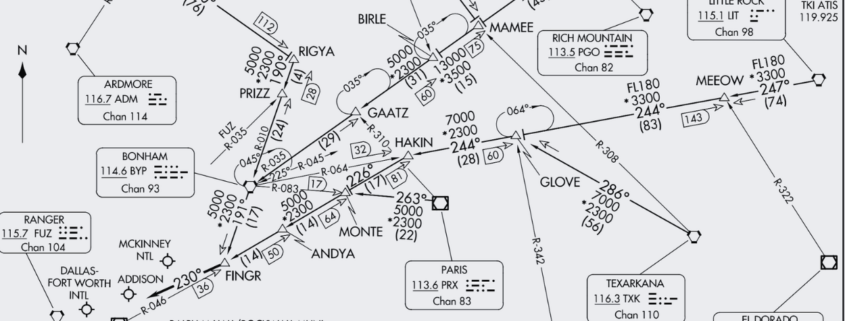
Video Tip: Understanding STARs
In this video tip, we’ll use the FINGER FIVE arrival into the Dallas area to break down how the different transitions come together, compare traditional VOR/DME-based STARs with modern RNAV arrivals
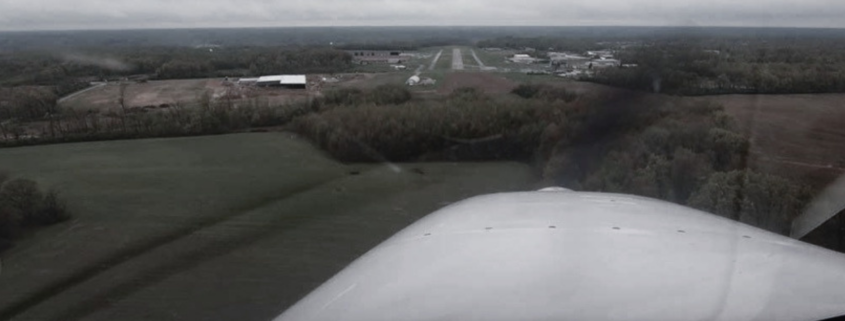
Practical IFR: The Contact Approach
A good IFR plan isn’t one you follow blindly—it’s one that gives you options when conditions change. Jeff Van West looks at the underappreciated contact approach and how it can add flexibility to your next IFR flight.

 Simply put, a Contact Approach lets you keep your IFR clearance and find your own path to the runway. The requirements are remaining clear of clouds with a mile visibility and not dying as you get to the pavement.
Video Tip: Understanding STARs
/by IFR Focus TeamIn this video tip, we’ll use the FINGER FIVE arrival into the Dallas area to break down how the different transitions come together, compare traditional VOR/DME-based STARs with modern RNAV arrivals
Practical IFR: The Contact Approach
/by Jeff Van WestA good IFR plan isn’t one you follow blindly—it’s one that gives you options when conditions change. Jeff Van West looks at the underappreciated contact approach and how it can add flexibility to your next IFR flight.