
Half Sized Blog Element (Single Author Style)
Half Sized Blog Element (Multi Author Style)

Chart Smart: low altitude IFR enroute chart intersection symbol
Think you know your IFR charts? In our “Chart Smart” series, we’ll put your instrument knowledge to the test with real examples from approach plates and en route charts—then break down what each symbol really means.
IFR Focus Video: SmartCharts in Action on a June Gloom Flight
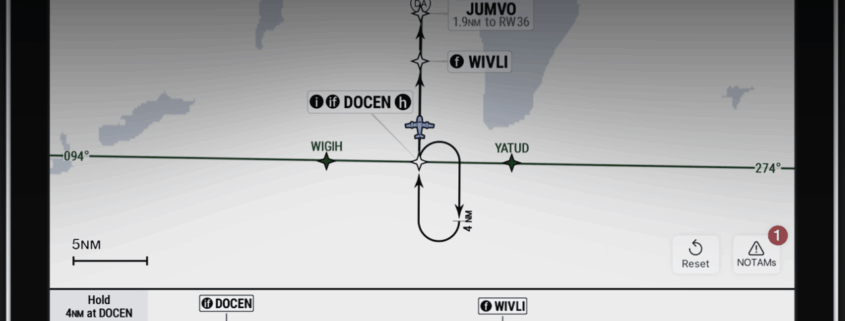
Veteran instructor and author Bruce Williams takes us along on an IFR flight from Bellingham, WA (KBLI) to Bremerton (KPWT) in his Bonanza, using Garmin SmartCharts in the Garmin Pilot app. This quick 30-minute hop showcases how SmartCharts declutter complex procedures—like the KLSHN TWO RNAV departure—and make it easier to visualize key information in real time. Along the way, Bruce flies the RNAV (GPS) RWY 20 approach through the clouds, offering practical tips on procedure loading and approach setup.

Chart Smart: low altitude IFR enroute chart intersection symbol
/by Eric RadtkeThink you know your IFR charts? In our “Chart Smart” series, we’ll put your instrument knowledge to the test with real examples from approach plates and en route charts—then break down what each symbol really means.
IFR Focus Video: SmartCharts in Action on a June Gloom Flight
/by IFR Focus TeamVeteran instructor and author Bruce Williams takes us along on an IFR flight from Bellingham, WA (KBLI) to Bremerton (KPWT) in his Bonanza, using Garmin SmartCharts in the Garmin Pilot app. This quick 30-minute hop showcases how SmartCharts declutter complex procedures—like the KLSHN TWO RNAV departure—and make it easier to visualize key information in real time. Along the way, Bruce flies the RNAV (GPS) RWY 20 approach through the clouds, offering practical tips on procedure loading and approach setup.