
Half Sized Blog Element (Single Author Style)
Half Sized Blog Element (Multi Author Style)

New IFR Mastery Scenario:The End Is Niagara?
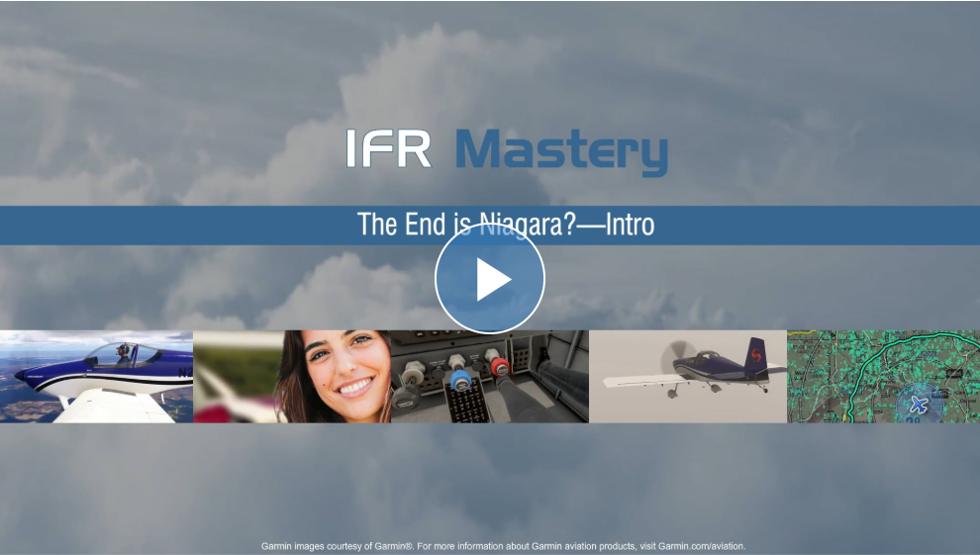
What would you do if an engine problem developed in actual IMC—but the nearest airport wasn’t necessarily your safest option? That’s the dilemma in this month’s IFR Mastery scenario from PilotWorkshops, The End Is Niagara?, featuring instructor Martin Pauly.

Before the Frequency Gets Busy
In Part 121 operations, complex environments are managed through standardization, preparation, defined procedures, and shared cockpit responsibilities. A single pilot does not have another crewmember available to catch an error or absorb part of the workload, but many of the same professional habits can be adapted to the Part 91 cockpit. The objective is to anticipate workload before it arrives.





New IFR Mastery Scenario:The End Is Niagara?
/by Eric RadtkeWhat would you do if an engine problem developed in actual IMC—but the nearest airport wasn’t necessarily your safest option? That’s the dilemma in this month’s IFR Mastery scenario from PilotWorkshops, The End Is Niagara?, featuring instructor Martin Pauly.
Before the Frequency Gets Busy
/by Tim DeckerIn Part 121 operations, complex environments are managed through standardization, preparation, defined procedures, and shared cockpit responsibilities. A single pilot does not have another crewmember available to catch an error or absorb part of the workload, but many of the same professional habits can be adapted to the Part 91 cockpit. The objective is to anticipate workload before it arrives.